I’m going to approach this a bit differently by showing you Keller’s short video instead of the sermon, though I will include the transcript at the very end for those who want it. This is the last week of this series, and I’m going to do something I hope you will find interesting in the next few weeks: Tips on Good Hermeneutics (the study of the Bible). I’ll give you a little taste this week.
SUNDAY:
- How have you experienced an answer to prayer, wisdom, God’s peace or presence, or unusual circumstances this week?
Monday: Context, Context, Context
Just as realtors say location, location, location is of utmost importance in choosing real estate. Context is vital in interpreting a passage correctly.
1. In nearly all Bibles, this parable is mis-titled: The Parable of the Prodigal Son. What is wrong with this title and why?
2. To whom is Jesus speaking in three “lost” parables, and how should that enlighten us as to the point of the parable?
3. Keller says many end the story with the first son, missing the whole story. Watch up to just 2.50 seconds of the video. What do you learn from Keller about how seeing the context can change the interpretation of a parable?
Thank you for your prayers — this is the view outside my window. Winds strong, snowbank taller than I am! At this point I still have power.
Below is a photo as the movie above may not work.

Tuesday: Walk, Don’t Run, When Studying
There’s a story of a class at Dallas Seminary where Howard Henricks would tell the class to make 10 observations of a passage like Luke 15:25-3o. They would, and then he would tell them to make 10 more, then 10 more…until they were up to 50 By that time, they had taken to drawing the passage in hopes of seeing more. God’s Word is deeper than the ocean.
4. Make ten observations of verses 25-30.
5. Listen to Keller from 2:50 to 3:38. What does he observe?
Wednesday:
Consider The Culture
6. Listen to Keller up to 6:00.
A. What do you learn about the fattened calf in this culture?
B. Why does Keller give evidence for this being the greatest day of the father’s life?
C. What does the elder brother care about, and what doesn’t he care about?
Consider the Genre
The Bible has many genres: poetry, prose, prophecy, parables, apocalyptic…and you do not interpret them all in the same way – if you do, you are likely to misinterpret. This is a parable. It didn’t really happen, rather, Jesus is telling a story to make one point to his listening audience.
7. Who is the audience, and do you see what the central point is?
8. Listen to Keller up to 8:38 and share what stands out.
You may notice in the video that Keller says we don’t really know how the story ends, but in a later audio version of this sermon, Keller says this:
By the way, I’ve had some people say, “Well, you don’t know that because maybe after the story ends, he comes in.” You have to remember this is not a historical account of something that happened. This is a fiction. This is a story which means if Jesus, who made this story up, ends the story here, nothing else could have happened after the story ends. They don’t exist outside the story. You can’t say, “Well, who knows?” Well, I do know. You know! Jesus is making a point. He is a storyteller, but he is a teacher. He is making a point. The bad kid is saved, and the good boy is lost.
9. When doing this parable in a small group. one woman said, “We must not be judgmental of the older son. Maybe he had a terrible mother.” What would you tell this woman about genre to help her see why she was off base?
Thursday: Conclusion and Application
10. Listen to the close of Keller’s sermon and explain the right interpretation of this parable.
11. What stood out to you and why?
12. Why might this be challenging for many to understand?
13. Why might we have to repent for the reasons we have done good things other than just for the love of God?
14. How will you apply this?
Friday: Important Things Are Repeated
15. The Bible is one story from Genesis to Revelation. One aspect is that if you look closely, you will find the gospel everywhere. How can you see it in this story in Luke 15 with each son?
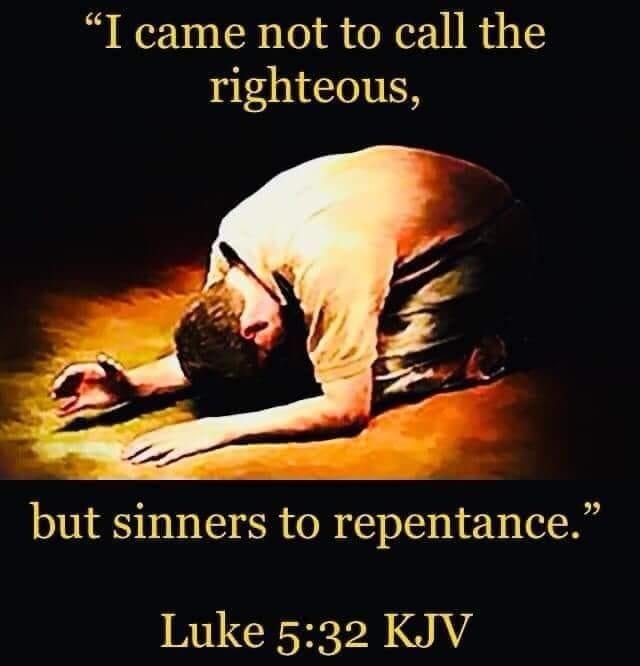
16. Look at Luke 5:27-32
A. What is the context, and how is it similar to the parable of the sons above?
B. Why does Jesus say what He does in verses 31-32? What is His point?
C. How can you see both sons in this passage?
Saturday:
17. What is your take-a-way and why?
Here’s the text of Keller’s later sermon for those who would like to read it. You can also find the audio at Gospel In Life by typing in The Elder Brother.
103 comments
Last week I was at my daughter Sally’s. Her husband was with the FBI, but they must retire at 57, and he was glad to retire. He is now the Headmaster at his daughters’ Christian Classical School and it gave me joy to see the difference he is making. Sally also doted on me like I was 100 years old, which sometimes feels like it.
I’d love prayers for I’m submitting a manuscript to Crossway, asking for favor.
I appreciate each one of you – it is blizzarding in Wisconsin but the fellowship here is warm.
How sweet of Sally to dote on you as you deserve it!
That’s quite a transition from FBI to Headmaster but what a great opportunity.
Praying about the submission of your transcript🙏!
Thank you dear Sharon!
Ditto to Sharon’s comment, Dee!
Lord, give favor to Dee’s manuscript. Let the right person connect with it and edit it bringing about Your plan. In Jesus name.
Amen to Judy’s prayer! 🙏
Dee, so good to hear about Sally and her husband being the Headmaster of the children’s school. What a precious gift from the Lord! I am very excited about our next topic- hermeneutics! I have, many times in the past, been “off” in my interpretation of the Bible because of a lack of context. I thank God for bringing me here, as I feel like He has grown me in the area of understanding of the Word through you and the others here. I realize it is all grace from God; it has also given me patience with others who are having difficulty in interpreting God’s Word. I am a work in progress until Jesus comes again.
Praying for your manuscript! Praise God!
I agree on hermeneutics!
1. How have you experienced an answer to prayer, wisdom, God’s peace or presence, or unusual circumstances this week?
My husband and I have been on a Family Life marriage “Weekend to Remember.” We have never done this before. It has been a blessing and I believe we have hope for our future. The speakers were phenomenal. The content was raw at times, but poignant. I appreciate having this retreat available and am glad it was sold out! It verifies that marriages are being lifted up and are important to people in our country. Thank You, Lord, for the experience we had. I highly encourage married couples to attend a retreat in your area!
I’m so happy for you! What a great opportunity.
It was such a blessing. We restated marriage vows as an entire group. There was not a dry eye in the house! They gave us a “Covenant” to sign, with the vows. We are to hang it in a prominent place to remind us. Very humbling.
That is so powerful. What a blessing. I cannot imagine. The Lord does work in ways we don’t expect and surprises us with things we never thought possible.
Laura, what a blessing for you and your husband. I love that it was sold out.
Oh Laura — wwhat joy this gives me. The Lord knew you needed a boost. Who watched your grands?
My husband’s sister met us and kept them for the weekend 😉
That’s wonderful — you so needed a boost!
SUNDAY:
How have you experienced an answer to prayer, wisdom, God’s peace or presence, or unusual circumstances this week. A couple of things: 1. I’m re-reading THE HIDING PLACE. It is a newer edition I found at my library this week. It has photographs and beautiful artwork. One profound truth Corrie shares stood out to me. I know that the experiences of our lives, when we let God use them, become the mysterious and perfect preparation for the work He will give us to do. I’m pondering this and the work God possibly has for me. I’m struck by the quiet work her family did for those in need around them. 2. My husband hosted a post men’s conference gathering with a group of 13 made up of other dads and their sons who attended the conference at the Ark Encounter last weekend. I’m excited to hear bits and pieces of the good that came from the conference and the friendships being formed. My son invited one of the boys to Sunday lunch today and has thoughts of introducing him to our daughter. So sweet to see him looking out for her love interest. She’s 18 and has not dated anyone but has begun asking for advice in the department.
What a week, Chris! I love Corrie ten Boom’s book. What faith their entire family had and such obedience to God. The story never fails to take my breath away. And Betsy’s always positive, never ending faith. I love this quote : I know that the experiences of our lives, when we let God use them, become the mysterious and perfect preparation for the work He will give us to do.
It is so much to ponder. You’ve inspired me to re-read her book. Our pastor spoke about it this morning too. What does the Lord have for me to do?
I love the follow up of your husband and son after The Ark Encounter. Love your son’s caring heart for his sister.
Love all of this! Good is so so good!
Love that your son is playing matchmaker for your daughter! My son did that for my daughter Sally after her abusive first marriage.
Oh, Dee! What a beautiful blessing to be with sweet Sally and Phil, and the girls. I love that Sally doted on you! You are a treasure and I love how she loves you so! What a precious woman of God.
I am so excited for Phil and for the school! He will be a wonderful Headmaster! Oh, such a life change from the FBI. I am so happy for them and for the school.
I will pray for your submission to Crossway.
Thank you, dear Patti. I know you will!
Monday: Context, Context, Context
Just as realtors say location, location, location is of utmost importance in choosing real estate. Context is vital in interpreting a passage correctly.
1. In nearly all Bibles, this parable is mis-titled: The Parable of the Prodigal Son. What is wrong with this title and why? I’m learning that this parable is presented by Jesus to the Pharisees and those who consider themselves righteous as a lesson for their hearts to turn. The focus of the story is the Father and his mercy, grace, forgiveness, and love for his son. The celebration for the lost son is not one the “good” son wants to see or participate in-instead he wishes to have his inheritance all to himself. Love for his father and brother are not what concerns him.
I’m curious what bible titles this story differently.
2. To whom is Jesus speaking in three “lost” parables, and how should that enlighten us as to the point of the parable? The Pharisees and scribes were there complaining that Jesus receives sinners and eats with them. They were full of self-righteousness and would not associate with them. Jesus is one in the story who seeks the lost and celebrates when they are found, except the lost son. Then the older brother is who should seek the lost brother and instead is acting the part of a Pharisee, unable to stand his brother’s sin for his own self-righteousness and greed is greater than his love.
3. Keller says many end the story with the first son, missing the whole story. Watch up to just 2.50 seconds of the video. What do you learn from Keller about how seeing the context can change the interpretation of a parable?
When we understand the context is about the Father’s love and not about the prodigal’s sin, we can interpret the parable with self-reflection. Do I accept those who are lost and pray for them to be brought into the kingdom and under God’s loving plan of salvation? Am I just as grateful that He loves and saved me as I am for my brother?
Like Chris, I wonder if any of you has a Bible that gives a better heading than The Parable of the Lost Son.
Good point Chris about the titles Bibles have. I looked at all the different versions and the heading for all of them was The Prodigal Son.
Love this…” When we understand the context is about the Father’s love and not about the prodigal’s sin, we can interpret the parable with self-reflection. “
That’s good, Sharon. I was puzzled by the title of Keller’s book “Prodigal God” but one definition of Prodigal is “lavish” He’s lavish in love, the sons lavish in foolishness.
I have to confess that there are some who are truly difficult to love. Is it their sin or my pride and love of self that makes it hard? I’m struggling to love the DIL who my son is divorcing. It’s easier to say she’s beyond our help. Same with a sister of mine who seems to just keep making all the wrong choices in life. It’s easier in some ways to just cut ties with difficult people and of course there are some necessary boundaries, while we trust God to reach those we love in ways other than we can ourselves.
While reading The Hiding Place I found a quote Corrie shares from her father.
Love is the strongest force in the world, and when it is blocked that means pain. There are two things we can do when this happens. We can kill the love so that it stops hurting. But then of course part of us dies, too. Or, we can ask God to open up another route for that love to travel. If you ask Him, He will give you His love, a love nothing can prevent, nothing destroy. Whenever we cannot love the old human way, God can give us the perfect way.
Loving your quotes. God’s love is supernatural!
I understand, Chris. Relationships can be so complicated. 🙏🙏
Amen to Dee! I love this quote!
Monday: Context, Context, Context
1. In nearly all Bibles, this parable is mis-titled: The Parable of the Prodigal Son. What is wrong with this title and why?
There is a prodigal son in this story but there is also the older son which puts a whole other spin on the story.
2. To whom is Jesus speaking in three “lost” parables, and how should that enlighten us as to the point of the parable?
Tax collectors and other notorious sinners. “This made the Pharisees and religious teachers of the law complain that He was associating with such sinful people – even eating with them,” so they were part of the audience.
That the parables were sending a message to sinners as well as those who thought they weren’t sinners…they both are lost.
3. Keller says many end the story with the first son, missing the whole story. Watch up to just 2.50 seconds of the video. What do you learn from Keller about how seeing the context can change the interpretation of a parable?
To understand and get the point of this parable, it is important to not stop just with the prodigal son but also look at the elder brother.
As Keller says, most people think this story is all about the lost son. “If you look at the people Jesus was speaking to and His purpose in telling this parable…everything you’ve heard or thought about how to approach God is wrong.” That’s why it’s important to interpret this parable in context.
So good, Sharon. It is interesting that it seems the majority have not interpreted it in context and then many (like me) trusted their interpretation.
Wonderful answers, dear Sharon! Love your deep thinking!
Love this part
That the parables were sending a message to sinners as well as those who thought they weren’t sinners…they both are lost.
1. In nearly all Bibles, this parable is mis-titled: The Parable of the Prodigal Son. What is wrong with this title and why?
The story is about the choices of the hearts of both brothers, being for the gifts not the giver. The title should acknowledge both sons. I love Keller’s explanation.
2. To whom is Jesus speaking in three “lost” parables, and how should that enlighten us as to the point of the parable?
Jesus was speaking to the complainers, tax collectors and sinners. Jesus seeks out the lost for His Kingdom. Jesus does not focus on our past, but rejoices when the lost are found and repentant. It is always about the heart.
3. Keller says many end the story with the first son, missing the whole story. Watch up to just 2.50 seconds of the video. What do you learn from Keller about how seeing the context can change the interpretation of a parable?
If the story ends with the younger son returning and repenting, it ends in the middle. The attitude of the older son changes everything. He was obedient, but his heart wanted the Father’s things and not a relationship with his father. The elder son ruined his father’s joyous day, because he despised the fact that his younger brother was being forgiven. His heart was dark and he had selfish motives for his obedience.
What a detailed answer, Patti.
If the story ends with the younger son returning and repenting, it ends in the middle. The attitude of the older son changes everything.
This is good Patti…“Choices of the heart!” I had to deal with that this last week. The choices we make do have a ripple effect.
Sharon, I love this ! The choices of the heart have a ripple effect! So profound!
Oh, Dee! The video worked! What a wild storm. I am praying for your safety and that you keep your power. Do you have neighbors close by? 🙏🙏🙏
Love you dear friend!
Thanks Everyone! I’m the only one on my road of 30 homes in the winter. I am in the middle. I am so thankful to have power and my plower says he will eventually get to me. I have never seen a storm this bad. I can’t see the lake as the snow is higher than me!
I am thankful the plower contacted you. Praying for power to stay on.
I just saw the video! Many in northern Michigan are without power. We are better of in SW Michigan. Only 2-4 inches expected tonight with the high winds. Prayers for safety, Dee. I’m sure you have weathered many such storms on the ‘big lake’ (as we refer to our Great Lakes.) They are beautiful and powerful.
I was thinking of you, too, Chris. Praying that you all stayed safe through the storm.
I too watched the video…brr! I’m so glad you kept your power through that crazy storm.
1. In nearly all Bibles, this parable is mis-titled: The Parable of the Prodigal Son. What is wrong with this title and why?
It’s not just the Prodigal who is in need here. It’s also a story of the elder brother’s sin AND the father.
2. To whom is Jesus speaking in three “lost” parables, and how should that enlighten us as to the point of the parable?
He is speaking to the Pharisees. He is trying to show them that each individual is important.
3. Keller says many end the story with the first son, missing the whole story. Watch up to just 2.50 seconds of the video. What do you learn from Keller about how seeing the context can change the interpretation of a parable?
The people of the time were not listening as sad for the lost son listeners. They were appalled at what they heard. How could the younger son squander the money? Why did the father give the savings to the son? What about the elder brother? He was in charge of the estate and his portion had been compromised. Now it was time to read from a different perspective. The elder brother’s view was important too.
In one sermon Keller explains the eldest son got most of the inheritance for he was entrusted to care for the younger siblings. The elder brother should have gone out for the younger brother but did not.
I can see the older brother’s perspective. I truly am an older brother. How do we give up our love for ourselves and accept the responsibility to love our brother, even in their sin? There surely should be consequences for sin and the Bible speaks of this elsewhere, but this story is about loving family and our loving elder brother (Jesus) who took on our guilt and paid the price for our sin. Jesus wanted the Pharisees to see this. We are to love our brother and seek to bring him to Christ at any cost and possibly at a very personal cost.
Yes. I think it is helpful to see this is a parable with a point rather than a historical story, and you caught the main point of opening the Pharisees (and all of our older brotherish eyes). In real life, part of loving may be boundaries.
4. Make ten observations of verses 25-30.
The older son was in the field. He approached the house. He heard music and dancing. He summoned a servant. He questioned the servant about the music. The servant told him of his younger brother’s return. The servant told him the fatted calf had been killed. The celebration was for the son returning safe and sound. The older son became angry. He refused to go into the house. The father came out and pleaded with him. The older brother was furious for the way his father was spending the wealth. He would not even call his brother, brother…he called him “your son” . The older son did not like that the father treated the younger son special, after he had been with prostitutes.
5. Listen to Keller from 2:50 to 3:38. What does he observe?
The father comes out to the older son to plead with him . The older brother wants nothing to do with his family, because he was the obedient son. He won’t acknowledge being in the same family as his brother. It sounds like he is angry that his brother is repentant and accepted back to the family. He was most angry using the wealth to take the fatted calf to celebrate the younger brother’s return.
Funny, I was reminded just now of how my MIL used to pay so much attention to my SIL and her family when she was living. They were continually needing help with something. I think my MIL really believed she was helping but I think truly it bordered on enabling. Those lines can be hard to see at times. My husband and I often felt our kids were “cheated” in the respect of not having a close relationship with her because it was so heavy on the other family. Before my FIL passed away she at least made more effort to see our kids, but after he passed it got worse. We rarely saw her unless we made the effort. It was sad.
I guess I was thinking of this in relation to the elder brother and his feelings about his brother. We struggle in this world to understand how best to relate to one another.
Thanks for all your observations, Patti.
Tuesday: Walk, Don’t Run, When Studying
4. Make ten observations of verses 25-30.
The older brother was out working in the fields.
When he got home he heard music and dancing in the house.
He asked one of the servants what was going on.
The servant told him his brother is back.
The father had killed the fattened calf for his brother.
They were celebrating because of his return.
The older brother was angry.
He refused to go into the celebration.
His father begged him to join the celebration.
The older son’s response was, I served you all these years, never refused to do anything you asked me to and you never even gave me a young goat for a feast with my friends. Yet the son that squanders all your money on prostitutes gets a celebration with a fattened calf.
5. Listen to Keller from 2:50 to 3:38. What does he observe?
It was the older brother’s turn to assault the integrity of the family by not being part of the celebration.
He was the heir and he didn’t want to be in the same family with the younger brother.
He just responds to his father rather than calling him “father.”
He doesn’t say “my brother or even “your son,” but rather “this son of yours.” Will not acknowledge being in the same family with him.
The older brother is particularly upset about the cost as in those days meat was a delicacy and a fattened calf was the greatest delicacy. It wasn’t even considered for a private party.
Yes, these are good. I am struck by the older brother not wanting to acknowledge the family. Don’t we feel that at times? We can be so put off by the sin of others and not see our own. And we do feel justified.
I agree with Chris on your observations. Whenever I take those spiritual gift tests I am high on prophetic (which can be judgmental) and low on mercy and serving. My husband was the opposite — but now that he is not here, I need to up my mercy for my progeny!
Oh, Chris! This is so true: We can be so put off by the sin of others and not see our own. And we do feel justified.
Lord forgive me and speak to my heart!
SUNDAY:
How have you experienced an answer to prayer, wisdom, God’s peace or presence, or unusual circumstances this week?
I have had several commitments the past week that drained me of physical energy. I was starting to dread the last two, but did not want to cancel. The Lord provided me rest as these last two were either canceled or postponed. Thank you, Lord, for the break and the reminder of priorities.
Monday: Context, Context, Context
Just as realtors say location, location, location is of utmost importance in choosing real estate. Context is vital in interpreting a passage correctly.
1. In nearly all Bibles, this parable is mis-titled: The Parable of the Prodigal Son. What is wrong with this title and why?
I think there is too much focus on the younger son instead of the inclusion of the other two main characters, namely, the father and the older son. I looked up what the internet would say, and most of the AI-generated titles also focused on the younger son, although there were titles of “The Loving Father”, “The Tale of Two Sons”, etc.
I realized the title was human-generated to give the reader a break from long paragraphs. I do like Keller’s title of one of his books, “The Prodigal God: recovering the heart of the Christian faith”. This was my second introduction to Keller after “Reason for God”. Both boggled my brain, and I had to put the books away for a time until Keller’s name resurfaced here.
2. 2. To whom is Jesus speaking in three “lost” parables, and how should that enlighten us as to the point of the parable?
He was speaking to tax collectors and sinners along with the Pharisees and teachers of the law. Jesus used the parable to point out that the audience is “lost” and forces the listener to acknowledge their lostness by identifying themselves as either the younger son or the older son. Which am I?
3. 3. Keller says many end the story with the first son, missing the whole story. Watch up to just 2.50 seconds of the video. What do you learn from Keller about how seeing the context can change the interpretation of a parable?
There is a tendency to see this parable from a sentimental point of view. To look at it from a happy ending point of view, that is, the younger son has returned, and all is well! Which I did before. I have forgotten the other brother. And because this parable is talking about family as a unit, I have to look at it from the perspective of how this story affected the older brother as well. My spiritual eyes have been closed to the truth that, in many ways, I am also the older brother.
Thank you for your prayers — this is the view outside my window. Winds strong, snowbank taller than I am! At this point I still have power.
Dee, the video worked for me. Wow, that howling wind is ferocious. Thankful for God’s watch care over you.
I’m so glad you got the rest you needed! I’m definitely an elder brother as well.
So happy you were able to lighten your schedule and get some well needed rest, Bing. Keller certainly gave this parable a deeper meaning. It has opened my eyes, in seeing my flaws more clearly. Lord, give me the desire to want You more for Yourself, not just “benefits.”
Tuesday: Walk, Don’t Run, When Studying
There’s a story of a class at Dallas Seminary where Howard Henricks would tell the class to make 10 observations of a passage like Luke 15:25-3o. They would, and then he would tell them to make 10 more, then 10 more…until they were up to 50 By that time, they had taken to drawing the passage in hopes of seeing more. God’s Word is deeper than the ocean.
1. Make ten observations of verses 25-30.
The older son was busy doing what he thought he was supposed to do: working.
He must be far off from the house because he only heard the music and dancing when he was closer.
He was not in the house.
He asked the servant what was going on. He did not look for his father.
The servant used the words, “YOUR brother has come”. I wonder if this servant had noticed the attitude of the older brother since the younger one left. Or maybe even before he left.
The calf was a fattened calf, conveying celebration.
The servant gave the reason for the killing of the fattened calf: your brother is safe and sound.
The older brother became angry. He refused to go in. This made me think that he was still outside the house all through this conversation.
The father had to go out and pleaded with the older son to come in.
The older son’s words revealed his resentment toward the father. He considered his work as “slaving”, “never disobeyed”, and never had a goat killed for him and his friends. Whoa, these are convicting words for me. I am so like the older brother in many instances of my life, especially in regard to performance!
He used the words, “this son of yours” instead of using the word, “my brother”. It was almost like he had written off his brother a long time ago. And he mentioned what he considered not worth killing the fattened calf for: squandering, prostituting. There is comparing and judging here.
2. Listen to Keller from 2:50 to 3:38. What does he observe?
The older brother was abrasive. He did not call him “father” but instead just said, “Look”. No acknowledgement of their relationship. He did not acknowledge being in the same family. He was furious about the cost of the meal.
P.S. I am often guilty of running rather than walking when I am studying God’s Word. But when I walk, the spiritual feeding brings great nourishment to my soul and instills gratitude to God.
I agree on running instead of walking. Studying takes time and we cannot rush it, although a little is better than none when pressed for time.
Amen, Chris. I like to think of it as “ruminating”…did Dee use that word once? The dictionary says that means “think deeply about something.” I think of “dwelling” or “abiding” in His Word.
Monday: Context, Context, Context
Just as realtors say location, location, location is of utmost importance in choosing real estate. Context is vital in interpreting a passage correctly.
1. In nearly all Bibles, this parable is mis-titled: The Parable of the Prodigal Son. What is wrong with this title and why? It does make the passage easier to find for those unfamiliar, but the title can be misleading. In using this title it puts emphasis on the younger son, thereby blurring the intended message of the parable. BOTH sons and the FATHER are integral to the imterpretation. By skimming over the elder son’s actions, the reader misses the entire meaning.
2. To whom is Jesus speaking in three “lost” parables, and how should that enlighten us as to the point of the parable? Publicans, sinners, Pharisees, and scribes. The point of the parable is that everyone is lost, rebellious and self-righteous. Publicans and sinners shown in the younger son, and the Pharisees/scribes shown in the elder son. This theme is shown over and over in Jesus’ ministry.
3. Keller says many end the story with the first son, missing the whole story. Watch up to just 2.50 seconds of the video. What do you learn from Keller about how seeing the context can change the interpretation of a parable? I watched the whole video, wonderful, and Keller points out that ignoring the context leads to wrong interpretaions/conclusions.
I was introduced to this statement very early in my Christian walk and use it to remind myself, and others:
It shall greatly help you to understand Scriptures If thou mark not only what is spoken or written,But of whom, and to whom, with what words, at what time. Where, to what intent, with what circumstances,Considering what goeth before and what followeth after. ~ Myles Coverdale
I like the Coverdale statement. Thank you.
I love that, too!
Amen to Chris and Bing, Cheryl!
Tuesday: Walk, Don’t Run, When Studying
10 observations
1. The elder son was returning from the field when he heard music.
2.The son did not investigate himself but asked a servant about the noise.
3.The servant tells him that his brother has safely returned, and his father has killed the fatted calf (celebration).
4.The elsder brother is angry and refuses to join the celebration.
5.The father leaves the celebration and goes outside to talk with the elsder brother.
6. The father pleads with him to join the celebration.
7.The elder son compare his life with the younger: I was obedient and served for years; he left and wasted all thy inheritence money on harlots.
8. The elder son complains that his father had never given him even a goat to kill for a party with his friends, but for the wastrel son the father killed the fatted calf.
9.The father replies that everything he owns belongs to this son who stayed with him. The implication being that the elder son could have used a goat anytime he wished for a party.
10. The father says it was the right thing to do to celebrate the return of the younger son , dead/alive lost/found.
5. Listen to Keller from 2:50 to 3:38. What does he observe? That the elder son was abrasive in the conversation and does not even acknowledge that it is his brother that has returned. “Your son,” not my brother.
Good observation: 2.The son did not investigate himself but asked a servant about the noise.
A. What do you learn about the fattened calf in this culture?
The fattened calf was a delicacy. They did not eat meat on a daily basis, and the fattened calf was the most special delicacy of all.
B. Why does Keller give evidence for this being the greatest day of the father’s life?
The entire village entire village was invited shows that it was the greatest day in the father’s life. It was a lavish feast with music and dancing.
C. What does the elder brother care about, and what doesn’t he care about?
He sees the father spending his inheritance in a way he does not approve. This son cares about the father’s things, the estate and the expense. He does not care about the father’s heart. All he can see is his portion of the estate dwindling.
From Patti — a huge point: He does not care about the father’s heart. All he can see is his portion of the estate dwindling.
Wednesday
Consider The Culture
6. Listen to Keller up to 6:00.
A. What do you learn about the fattened calf in this culture? The calf was reserved for celebrations (weddings, reconciliations, important guests). Keller says that meat was not part of a normal, everyday diet in this culture. When this special calf was prepared it would have fed a large number of people/community. It was not intended for a family meal/private party.
B. Why does Keller give evidence for this being the greatest day of the father’s life? The fatted calf was a great delicacy. For the father to have killed the calf and invited the whole community to celebrate shows how he felt – the best day ever! As he said in verse 32, he felt his younger sond had been dead and was now alive. What parent would NOT claim this as the best day ever?
C. What does the elder brother care about, and what doesn’t he care about? He cares about the estate, the expense of this celebration and how it diminshes his inheritence. He cares about the father’s things, but he doesn’t care about the father’s heart. He is humiliating his father by refusing to join the celebration, making his father come out, and arguing with him.
Put so well from Cheryl: For the father to have killed the calf and invited the whole community to celebrate shows how he felt – the best day ever! As he said in verse 32, he felt his younger sond had been dead and was now alive. What parent would NOT claim this as the best day ever?
Also, the impact of the elder son going against what the father has made public is huge. Interesting when we feel strongly about something, strong enough to make a big stink about it to a family member personally, is one thing. To make a public display of our emotions is quite another.
Wednesday
Consider The Culture
6. Listen to Keller up to 6:00.
A. What do you learn about the fattened calf in this culture?
Oops…I answered this in question 5 as part of the observation🤦🏻♀️
In Congo meat was also a delicacy (in the 60’s anyways) and if an African family owned goats they were considered wealthy. And if you were invited to eat a meal consisting of goat it was an honor.
B. Why does Keller give evidence for this being the greatest day of the father’s life?
To show the reason why the son knew it was the greatest day in the father’s life…that the father was willing to kill the fattened calf and invite the entire village to the feast is evidence of it.
C. What does the elder brother care about, and what doesn’t he care about?
He cares about his father’s things and he doesn’t care about the father’s heart.
7. Who is the audience, and do you see what the central point is?
The audience was sinners (what I didn’t notice before was that the “tax collectors and sinners drew near to Jesus to hear Him) and the Pharisees who considered themselves righteous…they were complaining that Jesus would associate with such sinful people and even eat with them.
I think the main point was to show the Pharisees their self righteousness made them sinners too, they needed to draw near to Jesus and really hear him. They were no better than the younger son who took his inheritance and squandered it on prostitutes and wild living. They were the older son who stayed home and did all he was told to do, but refused to celebrate the younger son’s home coming and make the family whole.
This is convicting. It makes me stop and think how many times my self-righteousness has gotten in the way of seeing my sin. But it’s so easy to see others’ sins and think, how could they ever be part of the family of God?! O Lord, forgive me. May I remember that I was once far away from God, I was Your enemy separated from You by my evil thoughts and actions. Yet now You have reconciled me to Yourself through the death of Christ in His physical body . As a result, You brought me into Your own presence,and I am holy and blameless as I stand before You without a single fault. (Colossians 1:21-22)
8. Listen to Keller up to 8:38 and share what stands out.
Keller identifies the sons as one good (elder son) and one bad (younger son) and both have been alienated from the father and only want the father’s things and not the father. The younger son did this by being bad and the older son did this by being good. What was keeping the older son from going into the feast wasn’t his sin it was his goodness, his righteousness.
9. When doing this parable in a small group. one woman said, “We must not be judgmental of the older son. Maybe he had a terrible mother.” What would you tell this woman about genre to help her see why she was off base?
I would tell her this is a parable, not a true story and the mother isn’t even part of the story. We need to look at who the audience is, who the main characters are and what point is Jesus making. I would also indicate the danger of inserting “our feelings” into the story.
I liked your point about the danger of inserting our feelings into the story/scripture. I get annoyed sometimes when discussing the Bible and someone asks, “How would you feel… or.. and know how I would “feel.”.how do you think he/she/they felt?” Usually the answer appears in the context (anger, sadness, etc), we don’t need to guess. And I think it would be impossible to put myself into any biblical scenario
Sharon, I love hearing about your days on the Congo. What an interesting life you have had! And I love your answer about being convicted. I am convicted by this too. I have to look at my own heart and not judge others. How I thank God for the greatest gift ever, of Jesus, our Lord. He paid the ultimate price for my sin.
Love the insight from the
Congo and your heart.
Sharon, not inserting “feelings” into the story. And women, particularly, tend to do that. Dee highlights that context is an excellent tool for studying the Word of God.
This from Cheryl: If thou mark not only what is spoken or written, But of whom, and to whom, with what words, at what time. Where, to what intent, with what circumstances,Considering what goeth before and what followeth after. ~ Myles Coverdale
From Sharon: This is convicting. It makes me stop and think how many times my self-righteousness has gotten in the way of seeing my sin. But it’s so easy to see others’ sins and think, how could they ever be part of the family of God?! O Lord, forgive me.
I agree 100% and have definitely had to repent, especially in relationship with my mother. I was too harsh in my judgement of her after the divorce. Certainly, there were decisions she made that were not what I would consider right, but I did not have the perspective of knowing she had no spiritual support to bring her to the “right” actions. I believe she could have chosen better if she had been in a supportive Christian community. Regardless, the circumstances were incredibly difficult and only possible to get through with the Lord. Looking back, I wish I had had compassion on her and prayed for her more. Unfortunately, I was young and did not understand all that I do now. However, as I matured I did begin to pray for her. I am slowly rebuilding our relationship as she allows. We are meeting for lunch today. 🙂
Dear Lord, You are a God of reconciliation, thank You for Your love. As Chris seeks to rebuild a relationship with her mother, give her guidance and and a portion of Your grace. In Jesus name, amen
I love your heart here, Chris. I hope the lunch is joyful.
Chris, thanks for sharing your heart. I trust your lunch went well!
Consider the Genre
The Bible has many genres: poetry, prose, prophecy, parables, apocalyptic…and you do not interpret them all in the same way – if you do, you are likely to misinterpret. This is a parable. It didn’t really happen, rather, Jesus is telling a story to make one point to his listening audience.
7. Who is the audience, and do you see what the central point is? Sinner/publicans, Pharisees/scribes The religious and strict Pharisee and scribes criticized Jesus for eating and talking with sinnesr and publicans. In conjunction with the first two parables (lost sheep/coin), I think that the central point is that of acknowledgement/repentence of sin and the mercy and graciousness of God to forgive/reconcile. Both parties are separated from God, alienated from the father as in the parable, and they both need reconciliation.
8. Listen to Keller up to 8:38 and share what stands out. Two sons, one good one bad, but BOTH are separated from the father. Application might be the person whose outward life seems impeccable, but has a proud/conceited/critica heart, is just as lost spiritually as the person leading a a life that is irreligious and self-centered.
You may notice in the video that Keller says we don’t really know how the story ends, but in a later audio version of this sermon, Keller says this:
By the way, I’ve had some people say, “Well, you don’t know that because maybe after the story ends, he comes in.” You have to remember this is not a historical account of something that happened. This is a fiction. This is a story which means if Jesus, who made this story up, ends the story here, nothing else could have happened after the story ends. They don’t exist outside the story. You can’t say, “Well, who knows?” Well, I do know. You know! Jesus is making a point. He is a storyteller, but he is a teacher. He is making a point. The bad kid is saved, and the good boy is lost.
9. When doing this parable in a small group. one woman said, “We must not be judgmental of the older son. Maybe he had a terrible mother.” What would you tell this woman about genre to help her see why she was off base? This is a parable, a made up story to teach or make a point about something. The point should be obvious; Jesus was not trying to present a riddle.
Great answer in #9 and I especially like, “Jesus was not trying to present a riddle!” All we need to know is right there in the passage.
Cheryl — how did lunch go with your mom?
4. Make ten observations of verses 25-30.
The older brother was in the field, working.
He returns home to music and dancing.
He asks a servant what is happening.
A servant tells him his brother has returned and the fattened calf has been killed.
The celebration is to honor the younger brother’s safety.
The older brother gets angry and won’t go into the house.
The father goes outside and begs the older brother to come in.
The older brother is jealous.
He won’t comply and go in.
The older brother is disrespectful to his father.
7. Who is the audience, and do you see what the central point is?
The audience is tax collectors and sinners, Pharisees and Scribes. The point is to show God’s grace and mercy, and the joy that comes from repentance and forgiveness . The Father’s love is unconditional and full of joy. The Pharisees and Scribes are all about the law.
8. Listen to Keller up to 8:38 and share what stands out.
There is a lack of love and compassion in the Elder brother. He is all about the rules and he does not care that he is hurting his father deeply. The father shows compassion to the elder son. We need to watch the language of our heart. We cannot obey to get things from God.
We are to love Him and want HIM. It is about the heart and about the relationship. It is a complete reversal of what we have been taught. The good and the bad are both lost. We need to repent of our sins, but more than that we need to repent of the very reason we ever did anything good.
You may notice in the video that Keller says we don’t really know how the story ends, but in a later audio version of this sermon, Keller says this:
By the way, I’ve had some people say, “Well, you don’t know that because maybe after the story ends, he comes in.” You have to remember this is not a historical account of something that happened. This is a fiction. This is a story which means if Jesus, who made this story up, ends the story here, nothing else could have happened after the story ends. They don’t exist outside the story. You can’t say, “Well, who knows?” Well, I do know. You know! Jesus is making a point. He is a storyteller, but he is a teacher. He is making a point. The bad kid is saved, and the good boy is lost.
9. When doing this parable in a small group. one woman said, “We must not be judgmental of the older son. Maybe he had a terrible mother.” What would you tell this woman about genre to help her see why she was off
A parable is a story not a true happening. The purpose of a parable is to be a mirror to our souls; to help is to truly see Jesus with our heart. We want Him in our heart, in a relationship every day…He is our true Father.
Wednesday:
Consider The Culture
6. Listen to Keller up to 6:00.
A. What do you learn about the fattened calf in this culture?
Meat is very expensive and not a usual fare at the family table in that culture. The fattened calf is a delicacy. It is a symbol of celebration and wealth when served at a gathering. I think of the Filipino lechon, which is a roasted whole pig and served for celebration and often afforded by the wealthier families only.
A question I am pondering: Would there have been some other fattened calves available? I guess since Jesus was using a parable, if it was not mentioned, then there wasn’t any other?
B. Why does Keller give evidence for this being the greatest day of the father’s life?
The father showed that this was the greatest day of his life by killing the fattened calf and inviting the entire village.
C. What does the elder brother care about, and what doesn’t he care about?
He cares for the Father’s things. He does not care about His heart. He only thinks of the diminishing value of his inheritance because his brother has returned.
Consider the Genre
The Bible has many genres: poetry, prose, prophecy, parables, apocalyptic…and you do not interpret them all in the same way – if you do, you are likely to misinterpret. This is a parable. It didn’t really happen, rather, Jesus is telling a story to make one point to his listening audience.
7. Who is the audience, and do you see what the central point is?
The audience is tax collectors and sinners, along with the Pharisees and teachers of the law. The central point is that one can be as lost doing “good” things for God as those who are considered “lost” in their sins.
8. Listen to Keller up to 8:38 and share what stands out.
The end of the story was a cliffhanger. Both of the brothers are alienated from the father.
You may notice in the video that Keller says we don’t really know how the story ends, but in a later audio version of this sermon, Keller says this:
By the way, I’ve had some people say, “Well, you don’t know that because maybe after the story ends, he comes in.” You have to remember this is not a historical account of something that happened. This is a fiction. This is a story which means if Jesus, who made this story up, ends the story here, nothing else could have happened after the story ends. They don’t exist outside the story. You can’t say, “Well, who knows?” Well, I do know. You know! Jesus is making a point. He is a storyteller, but he is a teacher. He is making a point. The bad kid is saved, and the good boy is lost.
9. When doing this parable in a small group. one woman said, “We must not be judgmental of the older son. Maybe he had a terrible mother.” What would you tell this woman about genre to help her see why she was off base?
Nothing else could have happened because the story has ended. This is a parable and not history.
Concise from Bing: a parable and not history
10. Listen to the close of Keller’s sermon and explain the right interpretation of this parable.
The sons are both lost, both have been using the father to get the things they want. One was trying to get the father’s things by disobedience and leaving; the other was trying to get control by obeying staying. Both wanted the father’s things, but not the father. They are both alienated from the father and both alienated from God. The younger brother repents and is saved; the older brother of moral stature is lost. God doesn’t want good people, He wants New people. You also have to repent of the Reason you did anything good at all.
11. What stood out to you and why?
You have to repent of the reason you ever did anything good at all. The sons show examples of two ways of escaping God.
12. Why might this be challenging for many to understand?
We are taught to be good obedient people. We don’t realize how selfish our hearts and our motives can be. We need to check our hearts and not try to be our own savior.
13. Why might we have to repent for the reasons we have done good things other than just for the love of God?
Our motives for being obedient are not always pure. We may trying to control God and we may think we deserve favor from God because we are obedient.
14. How will you apply this? I need to desire to be obedient to God in order to have Him and a relationship with Him. It is my heart and my motives that make all the difference. I need to stay on the Word and keep my focus on the Savior.
Such great answers to all these questions…love your heart and love for the Lord!
I agree with Sharon. We need to repent of the reason we did anything good at all. Wow.
Thursday: Conclusion and Application
10. Listen to the close of Keller’s sermon and explain the right interpretation of this parable.
There are two kinds of lostness…good and bad. Though they look different on the surface, underneath they are exactly the same. The way this parable ends stunned the audience because the younger brother (bad man) goes off but repents, humbles himself, goes into the feast and is saved but the older brother (good man) who kept all the moral rules is lost as far as we know. It’s a reversal of everything the audience has been taught and believe. Most think God wants good people but Jesus shows us that God wants new people.
11. What stood out to you and why?
This really hit me as I never thought about it before…”Jesus shows us that that you also have to repent of even the very reason you ever did anything good at all.”
12. Why might this be challenging for many to understand?
It’s human nature to think that if you’re good you’ll be accepted and loved and bad people don’t have a chance.
13. Why might we have to repent for the reasons we have done good things other than just for the love of God?
Because what we did was with the wrong motive…it was done thinking our good works would give us right standing and not because of the work Christ did for us on the cross.
14. How will you apply this?
Remember why Jesus died on the cross for me, a sinner and that “when I display my own righteous deed, they are nothing but filthy rags.” (Is. 64:6)
Psalm 40:1-8 (my prayer)
“I waited patiently for the Lord to help me, and he turned to me and heard my cry. He lifted me out of the pit of despair, out of the mud and the mire. He set my feet on solid ground and steadied me as I walked along.
He has given me a new song to sing, a hymn of praise to our God. Many will see what he has done and be amazed. They will put their trust in the Lord. Oh, the joys of those who trust the Lord, who have no confidence in the proud or in those who worship idols. O Lord my God, you have performed many wonders for us. Your plans for us are too numerous to list. You have no equal. If I tried to recite all your wonderful deeds, I would never come to the end of them. You take no delight in sacrifices or offerings. Now that you have made me listen, I finally understand— you don’t require burnt offerings or sin offerings. Then I said, “Look, I have come. As is written about me in the Scriptures: I take joy in doing your will, my God, for your instructions are written on my heart.”
Sharon, this is beautiful. I want to memorize these scriptures.
Wow from Sharon:
Remember why Jesus died on the cross for me, a sinner and that “when I display my own righteous deed, they are nothing but filthy rags.” (Is. 64:6)
6. Listen to Keller up to 6:00.
A. What do you learn about the fattened calf in this culture?
It was expensive and a delicacy. You wouldn’t normally have meat at your meal because of its cost.
B. Why does Keller give evidence for this being the greatest day of the father’s life?
The father slays the fattened calf. Must be a good day!
C. What does the elder brother care about, and what doesn’t he care about?
He cares about the father’s things, but not the father. He doesn’t care about the father’s heart. He sees the wealth diminishing.
7. Who is the audience, and do you see what the central point is?
The audience was the teachers of the time; the Pharisees and scribes and such.
8. Listen to Keller up to 8:38 and share what stands out.
The righteousness of the older brother stands out to me. I have been the older brother in my life.
9. When doing this parable in a small group. one woman said, “We must not be judgmental of the older son. Maybe he had a terrible mother.” What would you tell this woman about genre to help her see why she was off base?
I would tell her it’s a made up story to prove a point. There was no mother. Jesus did not put the mother in the story.
Leave it to Laura to make me smile: There was no mother.
10. Listen to the close of Keller’s sermon and explain the right interpretation of this parable.
Both brothers want control of the father’s things. They don’t love the father himself. One does this by doing bad things (being a prodigal) and the other does it by doing good things (righteous). They are both lost. The prodigal is saved. The righteous brother is not.
11. What stood out to you and why?
Not only do we have to repent for our sins, we also need to repent for the things we did thinking we were good. That seems weird to me. To repent for the good. I suppose it is for the heart behind why we are doing the good that matters.
12. Why might this be challenging for many to understand?
It seems better to be the older brother where you are doing good things. It’s hard to understand that, that is not a good thing and wouldn’t be blessed by God.
13. Why might we have to repent for the reasons we have done good things other than just for the love of God?
They were really only for our gain, not because we really love the Father.
14. How will you apply this?
I will try to do the right thing without an expectation attached to it.
Laura, you’re absolutely right, it is a weird concept but I think of the many times I went to church to please my parents or I did something good because I thought God would love me more or answer my prayers…so it is the heart/motive behind the good we do. Your answer to the last question says it well…so good!
Good examples Sharon! I have done the same….
15. The Bible is one story from Genesis to Revelation. One aspect is that if you look closely, you will find the gospel everywhere. How can you see it in this story in Luke 15 with each son?
The Gospel is the “good news.” It’s the story that if we repent and love God/others then we will have internal life. The younger son is the model here. The father represents God. The older son represents those who refuse.
16. Look at Luke 5:27-32
A. What is the context, and how is it similar to the parable of the sons above?
Jesus encourages Matthew to join Him. Matthew is a tax collector. He leaves everything and follows Jesus. A banquet is held at his home where more tax collectors came also. Pharisees complained He was eating with “scum.” Jesus says that healthy people don’t need a doctor only those who are sick.
The friends of Matthew (and Matthew) are like the younger brother. The Pharisees are like the older brother.
B. Why does Jesus say what He does in verses 31-32? What is His point?
He wants to change the hearts of those who need repentance. You can’t change the hearts of stubborn people. Easily, that is. The tax collectors knew they were going against the Jewish people. They were drawn to the money just like the younger brother The Pharisees were righteous and didn’t see their sin like the older brother.
C. How can you see both sons in this passage?
See above 👆.
Thursday: Conclusion and Application
7. Listen to the close of Keller’s sermon and explain the right interpretation of this parable.
In Act 1, we see the traditional depiction of sin in the younger brother. We recognize it right away. But both brothers are alienated, using the father by either being very bad or very good. The elder brother said, “I have never disobeyed you”. It is his goodness, it is his righteousness that keeps him from the father. They both are trying to get the father’s things. The younger, by breaking all the rules; the older, keeping all the rules. They are both lost.
Two kinds of lostness: You can escape God through either morality and religion or immorality and irreligion.
Older brother: I try very hard, I pray, serve God, you owe it to me, God.” He is only your model, example; Jesus is not your savior.
Elder brothers obey God because they can get God.
Resemble him, love him, delight in him, know him, and just for Him and not for His things alone.
The younger brother comes back, humbles himself, and is saved. The good one is lost.
The man of moral rectitude is lost; the lover of prostitutes is saved.
Jesus shows that not only do we repent of our sins, but also repent of the very reason that you ever did anything good at all.
8. What stood out to you and why?
That one could be lost through morality and religion. The truth that I cannot earn my salvation is very comforting to me. I owe it all to Christ. This also brought a deepening gratitude for the remembrance of what this time of year, according to our human calendars, is all about.
12. Why might this be challenging for many to understand?
We may only see the obvious sinfulness of the younger brother. It is a challenge to fully understand that good works do not save us.
13. Why might we have to repent for the reasons we have done good things other than just for the love of God?
We are trying to buy God’s favor by being and doing “good” things.
14. How will you apply this?
To guard my heart against sin and work-oriented righteousness. To be grateful that I am made righteous through Christ. To share the good news with others.
Great application from Bing: To guard my heart against sin and work-oriented righteousness. To be grateful that I am made righteous through Christ. To share the good news with others.
Friday: Important Things Are Repeated
15. The Bible is one story from Genesis to Revelation. One aspect is that if you look closely, you will find the gospel everywhere. How can you see it in this story in Luke 15 with each son? The gospel portrayed in the younger son is that of sincere repentence and the grace and mercy of God towards a repentant heart, as pictured by the father. The celebration represents what Jesus had said in vs. 10, 10 Likewise, I say unto you, there is joy in the presence of the angels of God over one sinner that repenteth.
The elder son represents those Jews who had proud, unrepentent hearts. They were secure in the knowledge of their self-righteous works and would not humble themselves. The elder son thought he DESERVED special recognition for all he had done. The gospel provides a way back to God, and is good news, but it also comes with the warning that it has to be God’s way not man’s way. Psalm 51:15,16 For thou desirest not sacrifice; else would I give it: thou delightest not in burnt offering. The sacrifices of God are a broken spirit: a broken and a contrite heart, O God, thou wilt not despise.
Hosea 6:6 For I desired mercy, and not sacrifice; and the knowledge of God more than burnt offerings.
The gospel for us is believing on the death, burial, and resurrection of Jesus according to the scriptures (1Co. 15:3,4), which is not portrayed in this parable, but we can make application still of a humble vs a proud heart. The “knot” is always Jesus and beliveing Him.
16. Look at Luke 5:27-32
A. What is the context, and how is it similar to the parable of the sons above? Earlier in the chapter we see Jesus calling Simon, James, and John into His ministry. There was miraculous healing of a leper and the paralytic, who was let down throught the roof of a house. Jesus was also teaching multitudes of people, and men came from all parts of Galilee and Judea to see and hear him. Jesus continues traveling and sees a tax collector, Levi, seated at a table collecting taxes. Jesus says two words to him, “Follow me.” Levi stands up, leaves the accounting and tax money behind, and follows Jesus. Tax collectors, publicans, were notorious for their corruption and ill gained wealth. Levi throws a great feast at his house for Jesus, and invites all his publican friends and many others to attend. The Pharisees and scribes criticize Jesus for eating with sinners. Jesus speaks directly to His critcs, “I came not to call the righteous, but sinners to repentence.”
B. Why does Jesus say what He does in verses 31-32? What is His point? He is refuting their criticism and defining the difference between the two groups of people – sinners and righteous, publicans and Pharisees/scribes. The point is that publicans/sinners would repent, because they were cognizant of their sin and humble of heart. while the righteous/Pharisees were puffed up in their own importance and hard hearted denying their need of repentence.
C. How can you see both sons in this passage? The younger repented and was forgiven. A great celebration followed welcoming him back into the family. Levi shows by his following Jesus and hosting a feast that he knows what he was doing was wrong, repentence. We can see this in the fact that Levi left EVERYTHING at the table when he left to follow Jesus. It no longer mattered to him.
The elder son was angry, refused to join the celebration,criticised his brother AND his father, and held on to his works/self-rightousness. In this passage the Pharisees/scribes did not join in the feast honoring Jesus at Levi’s house. Instead they stood outside criticising the faact that Jesus/disciples would associate with “that crowd.” The Pharisees/scribes were holding on to their own self-righteouness, followin the law to the letter, a good moral lifestyle.
Friday: Important Things Are Repeated
15. The Bible is one story from Genesis to Revelation. One aspect is that if you look closely, you will find the gospel everywhere. How can you see it in this story in Luke 15 with each son?
The younger son genuinely repented of his sin (“came to his senses”) before heaven and his father and was received and forgiven (he did nothing to earn this)…given the finest robe, a ring and sandals. Then his homecoming was celebrated with a feast of a fattened calf because he was lost but now he is found.
The older son was depending on his goodness to earn his inheritance and be in the good graces of his father and refused to be part of the celebration…he was lost.
16. Look at Luke 5:27-32
A. What is the context, and how is it similar to the parable of the sons above?
Jesus saw a tax collector named Levi sitting at a tax collector’s booth.
Jesus said, follow Me and be My disciple.
Levi got up, left everything, and followed Him.
Later, Levi held a banquet in his home with Jesus as the guest of honor.
Many of Levi’s fellow tax collectors and other guests ate with them.
The Pharisees and their teachers of religious law complained bitterly to Jesus’ disciples saying, “Why do you eat and drink with such scum?”
Jesus responded, “Healthy people don’t need a doctor – sick people do. I have come to call not those who think they are righteous, but those who know they are sinners and need to repent.”
Sinners, which the younger son was and knew he needed to repent is who Jesus came to call not those who think they’re righteous like the older son, who depended on his goodness rather than a heart of repentance.
B. Why does Jesus say what He does in verses 31-32? What is His point?
He says it in response to the Pharisees complaining about the sinners Jesus was having a meal with.
He came for those who know they are sinners and need to repent rather than those who think they’re not sinners and have no need to repent.
C. How can you see both sons in this passage?
The younger son is the sinner and the older son thinks he’s righteous.
Friday: Important Things Are Repeated
15. The Bible is one story from Genesis to Revelation. One thing to note is that if you look closely, you will find the gospel everywhere. How can you see it in this story in Luke 15 with each son?
For the younger son: No matter how bad a sinner you are, the good news is for you. You need to repent of your sins, Luke 5:32
For the older son: no matter how “good” or righteous you think you are, you need Jesus. You are still a sinner who needs to repent of your self-righteousness.
16. Look at Luke 5:27-32
A. What is the context, and how is it similar to the parable of the sons above?
Jesus ate with Levi and the other tax collectors at Levi’s house. Tax collectors are equated with sinners. But Jesus still called him to follow Him. These tax collectors can be equivalent to the younger son. The Pharisees who complained to Jesus’ disciples are like the older brother.
B. Why does Jesus say what He does in verses 31-32? What is His point?’
To point to his listeners that He came for the ones who acknowledge that they are sinners and in need of Him as their Savior.
C. How can you see both sons in this passage?
See my answer to A.
Saturday:
17. What is your take-a-way and why?
I need a Savior who is Jesus. I do not look to my good works for salvation. Neither do my sins prevent me from being saved, because they are all forgiven when I repent.
I am to love God for who He is and not for the things I can get from my relationship with Him.