Tara-Leigh goes so fast through James, and I want to slow down and see James’ connection to Jesus and to Acts, since we are doing this chronologically. It will be a fresh perspective for this very grounded group, many of whom have been through James with Paige and others in the past.
Remember how last week we saw the word “religion” only occurs once in the Bible? That’s beca.use Christianity is not like the other religions, which work their way, supposedly to heaven. James uses it a bit sarcastically. He is addressing those who say they are Christians, but show no fruit. One of James big themes is that we are saved by faith alone, but faith shouldn’t stay alone. Remember how the Puritans, when asked if someone who had just professed Christ was a Christian would say, “We’ll see.” In the early church they waited three years to make sure there was consistent fruit.
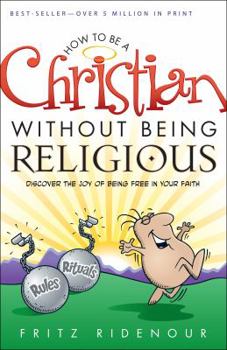
The word “religious” also has a deserved stigma, which Bev pointed out remembering Fritz Ridenaur’s commentary on Romans called “How to Be A Christian Without Being Religious.”
Tara-Leigh pointed out James being the half brother of Jesus, and, and how his letter often parallels the Sermon on the Mount. We will look at that first, and then to some of James activity in Acts, and finally to Acts 3. This is a mature group that I think will enjoy diving deeper for new riches.

Sunday:
1. How have you experienced the love, wisdom, or presence of God this week?
Monday: James and The Sermon on the Mount
James was the half brother of Jesus. He heard the Sermon on the Mount, yet it probably didn’t penetrate his heart until the resurrection.
2. Read 1 Corinthians 15:7. Why do you think Jesus tells them to go specifically to James after He rose from the dead?
3. What parallel do you see between James comment on religion and the Sermon on the Mount in Matthew 5:20?
4. In the close of the Sermon on the Mount, Jesus gives three pictures to show the difference between the gospel and religion. Find them in Matthew 7, meditate on the Scripture through observations, and explain the peril of mere religion in each case.
A. Two paths in Matthew 7:13-14

B. Two Trees Matthew 7:15-23

C. Two houses Matthew 7:24-27

4. What light does this shed on James 2:27 and the whole book of James?
5. Share one way that you see the power of God changing you for the better in the last few years?
Tuesday: James in the book of Acts
6. Read Acts 1:14 and make observations using the when, who, where, and why questions of journalists.
7. How does the above show a transformation in James?
8. Read Acts 12:17 and make observations using the when, what, who, and why questions?
We know this was James the brother of Christ because James the son of Zebedee was executed in Acts 12:12.
9. How do you see Peter’s personal desire to strengthen James’ faith?
10. Share a way a sister or brother in Christ has strengthened your faith recently.
Wednesday: James, Galatians, and Acts
11. The book of Galatians is all about not turning to another gospel, which is faith in Jesus plus something. Paul was continually meeting with James, the brother of Jesus, Peter, and John. They were indeed the four pillars of the church. How do you see this in:
A. Galatians 1:18-19?
B. Galatians 2:7-9?
12. Back then the Jews were adding circumcision to the gospel. What do people add today that turns it into a false gospel?
13. The following passage has always confused me, but with the help of commentators, I think I understand it. But you see what you think. Read Acts 15:19-20 and list the three things that James tells the Gentiles to abstain from in order not to offend their Jewish brothers. Since we are free from the ceremonial law, how do you explain why they were to abstain? (I’ll tell you what I found tomorrow — but try to answer without looking ahead!)
Thursday: James 3 and Proverbs (Part I)
What I found concerning Acts 15:19-20 is that there was a moral part to his first two “judgments.” (Therefore this was his judgment, not a command from God.) Eating meat offered to idols could be seen as supporting idolatry. Sexual immorality was indeed morally wrong, and particularly repugnant. (We have discussed that some sins are more grievous than others) The meat that came from strangling was not morally wrong – -but so repugnant to the Jews it was best just to avoid it to keep them from stumbling. James, as a Jew, would be sensitive to what really bothered his Messianic brothers.
4. Thoughts on the above?
5. Read James 3:1-12. Find some proverbs that teach the same thing.
6. What part of the Sermon on the Mount seems similar to James 3:11-12?
7. Where do you need to reign in your tongue?
Friday: James 3 (Part II)
8. Make observations on James 3:13-18
9. Again, I see two choices as with the paths, the trees, the houses. Find them in 15-17.
Saturday:
10. What is your God shot?
131 comments
Sunday:
1. How have you experienced the love, wisdom, or presence of God this week? – Just today at church. My husband was playing with the worship team today, so I always go to second service when he does. They were playing and singing, and all power was lost when a storm went through the area. What made my heart happy and a smile come to me was that the band never missed a beat, they just sang louder (mics were lost) and played harder and the congregation kept right on singing. We pulled out our phones and pulled up the lyrics (no screens either). Worship continued on as if nothing even happened. I smiled and thought, not today, Satan. You got nothing on us!
Julie,
How Delightful!! 😊💕
This is great. The worship was not dependent on technology. I love it.
What a wonderful blessing, Julie! Wow! The power of God did not need electricity! Thank you, Lord!
Love it, Julie!
Sunday:
1. How have you experienced the love, wisdom, or presence of God this week?
—I was blessed to have my brother and his wife in our home for a few days this past week. On Tuesday my sister who lives about 40 miles away came to spend the day with us. Both of my siblings are strong believers and our fellowship is always very sweet. At ages 77, 78 and 80 we have many many shared memories. My family is good natured and there are lots of good laughs as well. My husband is very much part of it all because he and I started dating in our high school years and he and my brother were close friends. We have weathered some hard things together in life but it is a wonderful thing to come to this point late in life and have a shared faith and hope in Jesus Christ.
Bev, this is so encouraging. Not only do you get along with your siblings, but as you say, you have shared faith. Because I did not grow up with this, I find it awkward to discuss faith with my siblings. I need to be more intentional about getting together and conversing about our faith.
Bev, What a sweet blessing to have siblings who are believers and who are so close.
How sweet and how pleasant when brethren dwell together in unity, Bev!
Oh Bev, that is such a wonderful God wink. To have siblings so close like that. Love it.
You are blessed.
Sunday:
I have seen the love of Christ here on the blog. I have been encouraged in my faith and grown in my knowledge of the Word. I’ve also seen the Lord work in a wonderful way in my marriage, bringing us once again through a fiery trial. The difficulties and circumstances have not changed, but our outlook is improving. We are learning to trust the Lord despite our feelings. We have had the most beautiful weather and the garden is growing-springtime gives such hope.
Chris, this is such an inspiring post. I agree, Christ’s love is very present on this blog. So thankful how the Lord is bringing you through a time of trial. I love your deep trust in Jesus. And I love your hope through beautiful weather and bountiful gardens. God is Good.
1. How have you experienced the love, wisdom, or presence of God this week?
I am still in the throes of wrapping up school and still butting heads (in my head) with my new boss. This time it’s my schedule for next year. Ugh. I can’t seem to shake her nastiness from my mind.
So, I wasn’t “feeling the love” going to church yesterday, even though it was our church picnic. I forced myself to go, but late. I had looked at our pastors early morning email and saw that there would be to baby dedications. I didn’t recognize either of the names and thought to myself, hmmm, where have I been? I get there, help with some set up, and get into church for the sermon. I see there are quite a few more people than normal and realized for the dedication. After church a woman comes up and asks me to take a picture of the very large group. I agree and then stand on a chair to make sure very one gets in. After, a young man (30 ish) comes up and says to me, aren’t you a teacher at Salem High? I said yes, he said do you remember me? I said yes, (I hate that because either remember their names or their faces but rarely both!) because he told me his name! He then proceeded to bring over his sister, their brother, and then her husband with the baby, and his brother too! I taught all of them! We had such a nice conversation and it reminded me of the old, wonderful times at our high school, when things were good. We chatted for about 5 minutes and I said how I really loved seeing them all and gave them hugs. It almost made me cry. I think in need to focus on how I can make an impact on the kids next year and not how hard it’s going to be for me. Maybe that’s what God wanted me to know. Part of my issue is I’m not sure I’m up for the hardness of next year. I’m not as young as I used to be.
Oh, Laura, I feel for your pain of the nasty administrator. Please do hang in there-clearly you are making a difference in people’s lives! I will pray for your new boss. I have a friend who is also in education and had a situation she really wanted out of, but so far the Lord is keeping her there and I know, like you, she is making a difference in people’s lives. Much love to you ❤️ and prayers. I think you will like this lesson-I am.
Laura, What a sweet blessing from God for you to be reminded of lives you interacted with and touched by your being a teacher. The teachers I remember are the ones who took a personal interest in me and offered encouragement into my life. Your comment on needing to focus on how you can make an impact on the kids next year is true. God will honor that.
Laura, What a sweet blessing from God for you to be reminded of lives you interacted with and touched by your being a teacher. The teachers I remember are the ones who took a personal interest in me and offered encouragement into my life. Your comment on needing to focus on how you can make an impact on the kids next year is true. God will honor that.
Oh, Laura, I am so sorry about that admin person. So disheartening. It is clear that you are a loved and gifted teacher! God is your true administrator and I know He will bless you. You are changing lives and inspiring students. I know it is hard when you don’t get support! I love this Kiss from the King! You are serving Jesus and not that admin person (who probably will not be remembered for kindness or inspiration!) I am praying for God’s wisdom and guidance for you. Love and sweet blessings to you.
Laura what a happy ending to a not so enjoyable beginning. You are making a difference in those kids lives and God just reminded you of that.
Monday: James and The Sermon on the Mount
James was the half brother of Jesus. He heard the Sermon on the Mount, yet it probably didn’t penetrate his heart until the resurrection.
2. Read 1 Corinthians 15:7. Why do you think Jesus tells them to go specifically to James after He rose from the dead? I don’t know.
3. What parallel do you see between James comment on religion and the Sermon on the Mount in Matthew 5:20? The Pharisees were very religious, with many rules to enforce the commandments, yet they couldn’t see the forest through the trees.
4. In the close of the Sermon on the Mount, Jesus gives three pictures to show the difference between the gospel and religion. Find them in Matthew 7, meditate on the Scripture through observations, and explain the peril of mere religion in each case.
A. Two paths in Matthew 7:13-14 Oh, I’m so excited to see this connection between religion and the gospel. I don’t know why I’ve not seen it so clearly before. With the two paths: wide and easy is the path that leads to destruction and many enter it, but narrow and hard is the way that leads to life, and those who find it are few. I’m reading a child’s version of Pilgrim’s Progress to my 8 year old. Christian is always wandering off the path but even on the path, they meet others traveling to the Celestial City. Whenever they meet someone, there is usually the question of whether they entered through the narrow gate. I guess all the hardships in life should be a confirmation of which gate we entered through! What a sad thing to think we are on the right path and find out later that all our “work” of religion was in vain.
B. Two Trees Matthew 7:15-23 A diseased tree (or false prophet) does not bear good fruit. A healthy tree bears good fruit. Diseased trees are cut down and thrown into the fire-hell. Those who do lip service to religion will not go to heaven, but those who DO the will of the Father will be there. The verses that make many afraid, 22-23, I think must be those who do good works in the name of religion only. It does make me pause to look for my motives in helping others.
C. Two houses Matthew 7:24-27 I love the song that goes with these verses: “The Wise Man Built His House Upon the Rock.” By son’s kindergarten class recited these verses and sang the song for their end of year program. When hard times come, a false faith will not stand the hardships. I recently heard someone say that the devil doesn’t care what we do (in the name of religion), but only the word of God makes him fearful. When Jesus was tempted in the desert, he didn’t do anything religious or talk about his miracles, but replied with God’s word, and the devil fled.
4. What light does this shed on James 2:27 and the whole book of James? Faith that is only in our words is not bearing fruit. A fruit filled life demonstrates our faith.
5. Share one way that you see the power of God changing you for the better in the last few years? The Lord has humbled me in my hardships and forced me to look deeper into His word. I see more and more that He alone saves. More and more I am learning to take my eyes off my hardships and put them on Christ, relying on Him for my joy. More and more I am learning that the Word has power for our everyday lives.
I’m so excited you are so excited!
Chris, I love your answer to #5. “More and more I am learning to take my eyes off my hardships and put them on Christ, relying on Him for my joy. More and more I am learning that the Word has power for our everyday lives.”
I just learned something that makes a difference in our study on James. In the Bible, the words “faith”, “trust”, and “believe” are all the same word in the original Greek. In English, when we say we believe something, it doesn’t carry the same connotation as to trust in something. But faith is not simply agreeing with something in our mind. It’s a reliance that we demonstrate in our actions. If we want to know what we really believe, we need to look at what we do. “Faith by itself, if it is not accompanied by action, is dead. But someone will say, ‘You have faith: I have deeds.’ Show me your faith without deeds, and I will show you my faith by what I do” (James 2:17-18).
Love this, Chris! Thank you for sharing! So Good!
Love this, Chris. Believe, trust, faith-all the same word in Greek in the Bible. I looked up these three words in my dialect, and they all mean the same thing! What a great lesson in translation!
Monday: James and The Sermon on the Mount
James was the half brother of Jesus. He heard the Sermon on the Mount, yet it probably didn’t penetrate his heart until the resurrection.
2. Read 1 Corinthians 15:7. Why do you think Jesus tells them to go specifically to James after He rose from the dead?
—I am not seeing where Jesus told anyone to go to James. I just see from this verse where Jesus was seen by James and later by all the apostles. “Then he was seen by James and later by all the apostles.” 1 Corinthians 15:7 NLT
Without a doubt Jesus made it a point to connect with his brother James who had not believed in Him as the Messiah until after the resurrection. It would have been a needful and affirming meeting for James personally. They had the same mother and grew up in the same home. There would have been unusual dynamics to their relationship. After all Jesus would have been the “perfect” brother and James would not have been. Jesus knew James’s heart and what it needed.
3. What parallel do you see between James comment on religion and the Sermon on the Mount in Matthew 5:20?
—The religious leaders claimed to be righteous by what they did in going to extremes in their religious practices. Jesus confronted the Pharisees and religious leaders in Matthew 23 about how they had all kinds of religious practices that were meaningless but they ignored the important things like justice, mercy and faith. He said great sorrow awaited them. Matthew 5:20 was a warning that their religious practices would not get them into Heaven.
James points out that they were just fooling themselves in what they said and thought because their religious ways were worthless. Their hearts were not pure.
4. In the close of the Sermon on the Mount, Jesus gives three pictures to show the difference between the gospel and religion. Find them in Matthew 7, meditate on the Scripture through observations, and explain the peril of mere religion in each case.
A. Two paths in Matthew 7:13-14
—The narrow gate is Jesus. He is the only way to become part of God’s Kingdom and to have eternal life. He explicitly says I am the way, the truth and the life. No one comes to the Father but by me. It is a choice to believe in Jesus and follow him. That choice requires sacrificing our own right to ourselves and that is a hard and narrow way.
The world offers a wide variety of supposed ways to get to God and offers it through lots of various kinds of religious activity but they all lead to hell.
B. Two Trees Matthew 7:15-23
—False teachers may appear harmless but they are actually very destructive in the end. The fruit of their lives or the way they act reveals whether they a a good tree or a bad tree.
C. Two houses Matthew 7:24-27
—A house (life) built on the foundation of Jesus and the truth of his Word will be like being built on solid rock. When the trials and storms of life come against them they will stay firm in Jesus.
But a person who hears the Word and doesn’t build their life by believing and obeying what Jesus teaches will fail and fall apart when the storms of life come against them.
4. What light does this shed on James 2:27 and the whole book of James?
—The opening verses of James speak to the fact that as trials come our faith in Jesus is tested. But it is that very testing which builds and develops endurance in our lives which leads to being “perfect” mature and complete in Him. Our faith has to be solidly in God alone and nothing else. Verse 12 of chapter 1 says God blesses those who patiently endure testing and temptation. Afterward they will receive the crown of life that God has promised to those who love him. What a wonderful promise.
5. Share one way that you see the power of God changing you for the better in the last few years?
—I find myself bring satisfied with Jesus in my life. It is a sort of solidity in who I am because of Who he is. I meet with Him every morning and my relationship to him has priority over all other relationships. His Word meets the needs of my heart and anxiety and fear don’t have the control as in times past.
I love the power of Jesus in your life, Bev. “Who I am because of Who He is!”
Bev, love the whole post.
I am so happy we are doing this deep dive, Dee. Thank you so much! It felt like it was going to fast and I love being able to savor the scripture slowly!
James was the half brother of Jesus. He heard the Sermon on the Mount, yet it probably didn’t penetrate his heart until the resurrection.
2. Read 1 Corinthians 15:7. Why do you think Jesus tells them to go specifically to James after He rose from the dead?
Jesus wanted to see James, and have James see Him, so that James would believe.
3. What parallel do you see between James comment on religion and the Sermon on the Mount in Matthew 5:20?
James addresses the importance of a deep and authentic love of Christ and His principles. This is reflected is how you live your life and how you treat others. Pure love of God is living in obedience, and loving others first (even the least of these…orphans and widows). Doing things to appear to be generous and godly, is much different from truly having a heart that loves God, and serving Him by loving His people.
The Sermon on the Mount mirrors what James is referring to. The Pharisees and Scribes appeared to be keeping the rules of the law of God, externally, yet their hearts were hypocritical. They did not have a true love of God or others in their hearts, and that seeped out into their behavior. They were more about power and control. They were filled with pride and jealousy, desiring the adoration and thanksgiving that should only be given to God.
4. In the close of the Sermon on the Mount, Jesus gives three pictures to show the difference between the gospel and religion. Find them in Matthew 7, meditate on the Scripture through observations, and explain the peril of mere religion in each case.
A. Two paths in Matthew 7:13-14.
The narrow path is the path of the true believer, one of obedience to God and humility, putting the needs of others above his own. Serving is self denial, done joyfully and with love. This is the path toward God.
The wide path is about self indulgence, self serving and living a worldly life with no cares for others, or those in need. Serving is only done for gain. This is the path away from God.
B. Two Trees Matthew 7:15-23
The tree that produces fruit represents one who truly loves God in His heart, so his life produces results of the lives he has touched for Jesus. A person’s character is revealed by their words and actions.
The tree that produces no fruit or rotted fruit is like a life without Jesus. They may say “flashy words”, but those words are false, insincere, meaningless, and not followed by loving or caring behavior. Those words and behavior to not draw others to Jesus.
Jesus reads our heart.
C. Two houses Matthew 7:24-27
The house built on the Rock is a person, who’s life is built on Jesus and His teaching, lived out daily. This person has his/her focus on godly values, and treasure in heaven not of earth. This house survives the storms of life with Jesus.
The house built on sand is a life built on worldly values, a shallow faith, if any and probably focus on all the treasures of this world. When difficulties come, this house collapses.
4. What light does this shed on James 2:26 and the whole book of James?
Works, is like a way of life, more than a collection of “good deeds” done. It is not a Girl Scout badge. It is the overflow of love we have from Jesus and the great gift of eternal life He gave us. Our values lie in that and it is something we deeply desire to share with others. It is a lifestyle of love, that we share from our core being, from the heart, with those who God brings into our lives or those we meet in the most unusual situation. It may start with a prayer for another, a meal brought to one in need, a note sent to someone ill, or bereaved, or helping someone get their groceries in their car, or someone sitting next to you on a plane. It is the way we respond to people in every facet of our life. You never know if you will never see this person again, or if they will become a friend for life.
5. Share one way that you see the power of God changing you for the better in the last few years?
While going through the pain of watching my husband in his illness, others I knew were also experiencing loss. A parent who lost her 24 yr old daughter, unexpectedly, a student who lost his father, a close friend who unexpectedly lost her husband, just days before I lost my husband. It taught me so much about grief and loss. It helped me to be more sensitive to widows and orphans…. a group I have now become part of.
God has connected me with people going through the pain of loss, and my loss has helped me to be more able to help them. I am part of an online prayer group, as well as a card ministry, at my church in Rhode Island. I keep in touch with the other widows and the mom, who lost her child. Three new widows. Three close friends have terminal cancer, unless God gives them a miracle, which is always possible! I am thankful to be there for them and it has blessed me greatly on my own pain and loss.
Patti, your answers to the questions 4 & 5 are so heartwarming. The love you have for those you come to know is amazing. Your grief, as hard as it is, is helping so many people see the hope of Christ.
Oh Patti, the hardships we face here are indeed what God uses in our souls to grow us. I love how you see others and their needs and ways to help. I love your description of works-“It’s not a Girl Scout badge. It’s the overflow of love we have from Jesus…”
So appreciate this input, Patti.
Monday: James and The Sermon on the Mount
James was the half-brother of Jesus. He heard the Sermon on the Mount, yet it probably didn’t penetrate his heart until the resurrection.
2. Read 1 Corinthians 15:7. Why do you think Jesus tells them to go specifically to James after He rose from the dead? – I really don’t see it explained in my version, but I’m guessing it’s because he was among those that didn’t believe Jesus was the Messiah and he is now a believer. To go to one that didn’t believe at first but now does it a much better witness to the truth. It’s not referring them to a follower from the beginning of Jesus’ ministry.
3. What parallel do you see between James’ comment on religion and the Sermon on the Mount in Matthew 5:20? – It seems to point back to an individual belief above what the religious leaders had. It seems to be saying that we can’t take the leaders word for it, we need to seek and believe and see the truth ourselves.
4. In the close of the Sermon on the Mount, Jesus gives three pictures to show the difference between the gospel and religion. Find them in Matthew 7, meditate on the Scripture through observations, and explain the peril of mere religion in each case.
A. Two paths in Matthew 7:13-14 – The narrow gate and the wide gate are the two paths. The crowd leads many through the wide gate and into a life of destruction. It could be one filled with peer pressure, forcing people to go in a direction they would not normally go in. But those that have a true relationship with Jesus will take the small gate down the narrow road. This road is not as popular and not many follow it because it is not popular and the majority of the crowd is not taking it. Others may make you feel guilty for taking it or make you doubt your choice. I think the difference between the two is the gospel will give us a deeper relationship that goes down to the heart and the religion is more on the surface, it shows only on the outside and has done nothing to change the heart.
B. Two Trees Matthew 7:15-23 – A good tree that bears good fruit and a bad tree that produces bad fruit. We will be able to see the true believers because they will live their lives in the glory of God. They will be showing the traits that we know he worked in them. The other side of that will be those to appear to have godly qualities but when we see them over a period of time, the fruit will die away. There will be no evidence that they even knew Jesus.
C. Two houses Matthew 7:24-27 – A house built on the rock and a house built on the sand. Those that build their house on the rock will be able to weather any storm that comes their way. Their faith will not faulter when things seem to fall apart. Those who build their house on the sand will be ok when things are going will in their life, but when a storm comes, when the enemy strikes, they will fall away in fear. They will not know what to do or who to turn to because they really didn’t know Jesus.
4. What light does this shed on James 2:27 and the whole book of James? – Is this 2:26? We can do things that appear to be right, that appear to be coming from God, but if our hearts are not right with the Father, with Jesus, what we do will fail in the end when the trials come upon us. We won’t be strong enough to withstand them. We need to have faith in Christ, knowing and believing that he will be with us always. We need to take that narrow road even if we are the only one walking down it. We need to bear good fruit so that when God prunes us, it will produce more good fruit. We need to stand on the rock; our whole household needs to be strong and clinging to the Rock so when the storms of life come our way, we will not drown. When we do this, it shows we have faith in our heavenly Father. We show that we believe that not just once, but every time something comes our way we will be able to conquer it with the help of Jesus.
5. Share one way that you see the power of God changing you for the better in the last few years? – I have become more aware of things that just don’t appear to be right. I can calmly defuse a situation to make those coming at me stop and think of what they are doing. I find peace in situations when others may be walking in chaos. I just don’t seem to worry as much because I know that everything that happens, every person set before me is placed there and is all part of God’s plan to help me grow.
I love your growth and peace, Julie.
I love all your insights, Julie. I love the peace you have in chaos and your perspective on God’s plan and helping you to grow.
Sunday:
1. How have you experienced the love, wisdom, or presence of God this week?
I am writing my answer here on a Monday after a Sunday that warmed my heart. The Lord knew I needed a picker-upper, and what better place and time than the church, and with kids? There is something about His house and the presence of children that just warms my heart. When one gets older, looking out to see the younger generation grasp the meaning of worship without trying hard, but just being the way God made them, this causes wonder and awe in my heart.
And today, while visiting with a young mom as we prepare materials for a children’s fellowship and having her 4 kids clamor for our attention while we talk (and me enjoying the time together)-what a thrill to be a part of this young family who loves the Lord. It was a holy moment to look at her happy face and share with me how she desires to do youth ministry, Lord willing, next year. That is when their littlest one will be a little older. I had to share with her the very same desire that God has placed in my heart, and have been praying for someone younger to spearhead it!
Praise God, for a kindred spirit in ministry. I love that you can enjoy the children. My heart does, too.
What a sweet time of blessing and an answer to prayer, Bing. So like you, she has a heart for Jesus and children.💕
Monday: James and The Sermon on the Mount
James was the half-brother of Jesus. He heard the Sermon on the Mount, yet it probably didn’t penetrate his heart until the resurrection.
1. 2. Read 1 Corinthians 15:7. Why do you think Jesus
tells them to go specifically to James after He rose from the dead?
James may have been skeptical about Jesus’ claims about Himself. James needed that sure assurance from his half-brother Jesus in the flesh after being crucified.
2 3. What parallel do you see between James comment on religion and the Sermon on the Mount in Matthew 5:20?
Religion and surpassing Pharisaic righteousness are performance-oriented means of getting to heaven. Both are useless.
4. In the close of the Sermon on the Mount, Jesus gives three pictures to show the difference between the gospel and religion.
Find them in Matthew 7, meditate on the Scripture through observations, and explain the peril of mere religion in each case.
A. Two paths in Matthew 7:13-14
The narrow gate is the one to choose. There is only one way to heaven-Jesus (the gospel). The wide gate is the way to destruction (religion). Many ways to choose from the latter, and most are performance-oriented and idol-related.
B. Two Trees Matthew 7:15-23
The good tree bears good fruit. I thought of the fruit of the Spirit (gospel). A bad tree bears bad fruit (religion) springing from the heart’s wrong motives.
C. Two houses Matthew 7:24-27
The house that has the foundation on the Rock, Jesus (gospel), can stand the rains, streams, winds, and storms of life. The one whose foundation is sand (religion, works) will crumble and crash.
1. 4. What light does this shed on James 2:27 and the whole book of James?
Do you mean 2:26?
True faith is demonstrated through our works. The narrow road of Jesus will make us choose Him as our Lord and foundation. Spiritual fruit is visible, and the foundation of our lives and our families is based on the principles of the word of God.
2. 5. Share one way that you see the power of God changing you for the better in the last few years?
I have been learning to be quick to listen, slow to speak, and slow to anger.
Narrow gate is Jesus, wide gate is religion-this could get a great discussion going, right? I might ask our small group what they think of this statement.
Bing, Such great comparisons, especially the paths! The gospel vs. performance oriented & idol related! Love Chris’s idea too!
Chris and Patti, you two are such great encouragers with my scattered thoughts! I appreciate that I don’t have to “edit” my thoughts here. I can just be myself, write it out, and one of the many of you will bring out a nugget.
2. Read 1 Corinthians 15:7. Why do you think Jesus tells them to go specifically to James after He rose from the dead?
Because he was His brother and didn’t believe in Him.
3. What parallel do you see between James comment on religion and the Sermon on the Mount in Matthew 5:20?
Jesus is saying you can’t just know the laws, you have to also obey them. We have to be better than the Pharisees. Don’t be a hypocrite.
A. Two paths in Matthew 7:13-14
It’s easy to enter the way to hell, but much harder to be one that enters the gate to heaven. There is a requirement that is fulfilled to enter the narrow gate. You can go through the motions to look good, but are you really good? It’s a heart issue.
B. Two Trees Matthew 7:15-23
Ah, the parables…I SO get lost in them. This is where Jesus compares a tree that produces good fruit to one that doesn’t. He is speaking about people here. He is speaking of leaders who say one thing and do another. Again, hypocrites.
C. Two houses Matthew 7:24-27
Having the firm foundation of Christ’s teaching is profitable and keeps us solid in our lives. The house on sand will collapse. If we know what we should do, but we don’t do it then we will stumble and fail in life.
So good, Laura: You can go through the motions to look good, but are you really good? It’s a heart issue.
Tuesday: James in the book of Acts
6. Read Acts 1:14 and make observations using the when, who, where, and why questions of journalists.
“They all met together and were constantly united in prayer, along with Mary the mother of Jesus, several other women, and the brothers of Jesus.” (Can be translated brothers and sisters of Jesus)
—When:
This took place right after the Ascension of Jesus into Heaven.
—Who
All the 11 remaining disciples along with Mary the Mother of Jesus, several other women (not named) and the brothers and sisters of Jesus. (also not named but James would have been one of them)
—Where
The group were in the upstairs room of a house in Jerusalem about a half mile from the Mount of Olives where the Ascension had taken place. Some commentators think it might possibly have been the large upper room that was used for the Passover supper by Jesus on the night he was betrayed.
—Why
They came together to pray. It says they were constantly united in prayer.
They were doing what Jesus instructed them to do in Acts 1:4 in that they were not to leave Jerusalem until the Holy Spirit had been sent.
7. How does the above show a transformation in James?
—James was no longer part of what we read in John 7:5.
“For even his brothers didn’t believe in him.”
8. Read Acts 12:17 and make observations using the when, what, who, and why questions?
We know this was James the brother of Christ because James the son of Zebedee was executed in Acts 12:12.
—Peter had been released from prison by the miracle of angels and was knocking on the door at the home of Mary the mother of John Mark. The believers there were amazed and couldn’t believe it was Peter. They must have raised quite a ruckus because he told them to quiet down and then gave them instructions to specifically tell James and the other brothers what had happened to him.
9. How do you see Peter’s personal desire to strengthen James’ faith?
—It was obviously important to Peter that James and the others knew. Naming James would indicate he was in charge of the group and we know later he was one of the main leaders of the church in Jerusalem who stayed after persecution came and other believers were scattered to other places.
10. Share a way a sister or brother in Christ has strengthened your faith recently.
—My sister and I spent the day together on Friday before Memorial Day. We had a long lunch and then went to the graves of our parents to decorate with flowers. It has been a tradition for us for many years to decorate graves of family members. Late that afternoon before she left my home to go to her own we were sitting face to face in matching swivel rockers snd sharing about God’s Word. My sweetest of sister’s spontaneously took my hands in hers and began praying for me. Words fail me to be so loved and encouraged by her.
Bev, What a sweet time with your precious sister. And I love your clear, concise and organized responses! So good!
Bev, I just love the encouragement and prayer from your sister. Don’t we all yearn to be cared for in that way? Yet, few of us are willing to be so vulnerable. I was at a meeting last night with 8 other ladies from our church to discuss starting a prayer ministry. We introduced ourselves and one lady shared a hardship in her life to which another jumped up and said she felt compelled to give her a hug. She said she has ignored that impulse in the past and decided she is not ignoring it any more. Showing one another sisterly affection is so important. We all need encouragement. Those nudges may be from within ourselves or may be the prompting of the Holy Spirit, but we know either way it comes from a place of love and should be acted upon.
6. Read Acts 1:14 and make observations using the when, who, where, and why questions of journalists.
When and where: It was After the Ascension of Jesus, in Jerusalem, in the upper room where they were staying. Who: Peter, John, James and Andrew, Philip, Thomas, Bartholomew and Matthew, and James, the son of Alphaeus, Simon and Judas, the son of James. Also there: The women, and Mary the mother of Jesus and His brothers. They were all of one mind and continually praying.
7. How does the above show a transformation in James?
James was of one mind with the others. He now believed that Jesus was the Son of God.
8. Read Acts 12:17 and make observations using the when, what, who, and why questions?
We know this was James the brother of Christ because James the son of Zebedee was executed in Acts 12:12.
This took place about ten years after the Resurrection of Jesus. It was at house of Mary , Mother of John (Mark). Peter had been put in prison, bound in chains. Many were praying for him. An angel of the Lord showed up in the prison, struck Peter’s side and the chains fell off. Peter thought it was a vision, but the angel led him out of the prison past the guards. They did not want to open the gate for Peter, because it seemed impossible. They let Peter in and he told them how the Lord led him out of prison. He asked to tell James and then Peter left. His visit wa for the purpose to inform James.
9. How do you see Peter’s personal desire to strengthen James’ faith?
Peter made the trip to Mary’s home, which was probably quite dangerous, so he could get a message of his safety and the miracle to James.
10. Share a way a sister or brother in Christ has strengthened your faith recently.
A dear friend, I used to work with, just called me and updated me on her life. She had a lovely answer to prayer about one of her children that we had both prayed for (for several years). I know this adult child and could see the healing that was taking place, one day at a time. Such a Praise is gives me great hope. When we see how God has His plan, and it does not always fit out plan, we know we can let go and trust Him.
Patti, I love the answer to prayer. I also have watched the answers to prayer over years and it is so encouraging to see the Lord work-hard to wait as we want it now, but his plan is best.
Tuesday: James in the book of Acts
6. Read Acts 1:14 and make observations using the when, who, where, and why questions of journalists. – Luke is writing this and refers to Theophilus. He mentions that this writing is following what Jesus had started to teach and do. He now tells him about what happened when they, Jesus’s followers saw him after his suffering. Luke tells Theophilus all that happened and that they all were constantly in prayer, and he mentions that Jesus’ brothers were there as well.
7. How does the above show a transformation in James? – It shows him gathered with all of them and praying constantly. It shows that he had a complete heart change and is now a true believer.
8. Read Acts 12:17 and make observations using the when, what, who, and why questions? – Luke was writing that Peter had been released from prison, and he told all those that were there to be quiet and described how the Lord had brought him out of prison and to tell James and the brothers about what happened.
We know this was James the brother of Christ because James the son of Zebedee was executed in Acts 12:12. – I think this should be Acts 12:1-2, I didn’t see it mentioned in Acts 12:12
9. How do you see Peter’s personal desire to strengthen James’ faith? – By hearing how Peter got out of prison by the Lord it will only strengthen the hope and faith that James has. Knowing how the Lord helps his people through difficult times is what James needs to see, hear and believe.
10. Share a way a sister or brother in Christ has strengthened your faith recently. – This blog of wonderful, godly Ladies has always been a blessing to me. The knowledge you all have, and the strength you show during the most trying times of your lives, brings me hope and my faith is strengthened seeing how God has been with you all. Thank you all for your godly wisdom.
Amen to the sisters!
Amen to Julie and Dee~ to this blog being such a blessing of strength and wisdom to the soul, from each of you that share so generously from your hearts.
I too thought of how deeply encouraging this blog is. 💕
This blog/sisters have been priceless.❤️
Tuesday: James in the book of Acts
1. Read Acts 1:14 and make observations using the when, who, where, and why questions of journalists.
When: after Jesus was taken to heaven and upon their return to Jerusalem
Who: The disciples, the women, and Mary, the mother of Jesus, along with Jesus’ brothers.
Where: in Jerusalem, in an upper room where the disciples were staying
Why: To join in constant prayers
2. How does the above show a transformation in James?
He is now a believer in Jesus and joined with the rest in praying.
3. Read Acts 12:17 and make observations using the when, what, who, and why questions?
When: Peter was miraculously released from prison and went to the house where they were praying; this must have been early morning.
Who: Peter, the household of Mary, the mother of John Mark, Rhoda, the servant
Where: at the house of John Mark’s mother, Mary
Why: They were praying for Peter’s release. Vs. 5.
We know this was James the brother of Christ because James the son of Zebedee was executed in Acts 12:12.
4. How do you see Peter’s personal desire to strengthen James’ faith?
Peter made it a point to name James, along with the others, to be told about his miraculous release.
5. Share a way a sister or brother in Christ has strengthened your faith recently.
Several sisters in Christ are working together to prepare materials and invite their kids’ friends to an upcoming summer fellowship. Everyone is trying to do their part, even those who are not able to be physically present at the event.
An older brother in Christ’s willingness to help and participate in our church’s sponsored event at our July county fair parade.
People sharing answers to their/our prayers.
A few people attending our church are telling me how much they appreciate the pastor’s (my husband’s) preaching from the Word. As a pastor’s wife, and at this point in our church’s life, this means a lot to me.
The sharing in this blog strengthens my faith.
You are such an encourager to others, Bing. It is good to hear the support from the sisters and brothers in your church.
Sweet to hear you have some encouraging voices in your church affirming you and your husband’s ministry. I know how important that is in the life of pastors and their wives.
Bing, you deserve every bit of encouragement received. I’m greatly encouraged here by you.
4. What light does this shed on James 2:27 and the whole book of James?
Do you mean James 1:27? I think we are the “odd” ones, who don’t follow the way of the world.
5. Share one way that you see the power of God changing you for the better in the last few years?
I am leaning more into Him instead of the world. I care less about what others think and more about what He thinks.
6. Read Acts 1:14 and make observations using the when, who, where, and why questions of journalists.
The apostles met together constantly.
They met with Mary, the mother of Jesus and some other women and the brothers of Jesus.
They met to pray.
7. How does the above show a transformation in James?
I don’t understand the question. Do you mean that James didn’t believe before and now he does?
8. Read Acts 12:17 and make observations using the when, what, who, and why questions?
Peter visited Mary, the mother of John Mark, and Rhoda, a servant girl.
He went after being released from jail by the angel.
The Lord wanted him freed.
9. How do you see Peter’s personal desire to strengthen James’ faith?
I suppose he went to the place where people would see him and tell others. He should have been in prison but had been released. I feel as if I’m missing some information here…
I may change Laura’s name to Nathaniel, or Nathaniella, for she is without guile. I love her questions. My thought on why Peter went to the other believers was that the Spirit led him to encourage them, but also, where else would he go except perhaps to his wife, who may have been among them. How excited he would be to tell them!
11. A. Galatians 1:18-19?
Paul met with Peter, for 15 days in Jerusalem and met James there as well.
B. Galatians 2:7-9?
Paul acknowledged that the Lord had given him the ability to teach the Gentiles just like Peter was to teach the Jews. He claims they accepted him too. He also says that Peter, John, and James were the pillars of the church.
Wednesday: James, Galatians, and Acts
11. The book of Galatians is all about not turning to another gospel, which is faith in Jesus plus something. Paul was continually meeting with James, the brother of Jesus, Peter, and John. They were indeed the four pillars of the church. How do you see this in:
A. Galatians 1:18-19?
—After Saul’s encounter with Jesus and his conversion he then went away for a time of meeting with the Lord. After that time his first encounter to involve himself with the apostles in Jerusalem and so he went and stayed with Peter. And while there with Peter he met James the Lord’s brother.
B. Galatians 2:7-9?
—in this passage Paul explains his God given ministry preaching the Gospel to the Gentiles was affirmed by James , Peter and John who were the pillars of the church as he calls them. He points out that their reputations as great leaders didn’t matter to him. He was not seeking status because God has no favorites.
12. Back then the Jews were adding circumcision to the gospel. What do people add today that turns it into a false gospel?
—I think the mindset we have to be a good person and do good things for Jesus. People bring religious acts and try to add them to the Gospel. It is in the sinful heart of human beings to want to measure up by who we are in ourselves and what we do for God. He needs none of it and provides all of it. The gospel is pure grace. I am a sinner from the start and I bring nothing to my salvation. To obtain salvation I have to give up every right to myself and accept the fact it is Jesus and Jesus alone Who redeems me. Jesus and Jesus alone rescued me from my sinful lost state of being. And now it is Jesus and Jesus alone who is restoring me to become more like Him in this life and my hope for perfection in Heaven is in Him alone. I bring nothing to the table in any of it and can add absolutely nothing to the pure Gospel.
13. The following passage has always confused me, but with the help of commentators, I think I understand it. But you see what you think. Read Acts 15:19-20 and list the three things that James tells the Gentiles to abstain from in order not to offend their Jewish brothers. Since we are free from the ceremonial law, how do you explain why they were to abstain? (I’ll tell you what I found tomorrow — but try to answer without looking ahead!)
—Abstain from eating foods offered to idols.
—Abstain from sexual immorality
—Abstain from eating meat with the blood still in it. (Drinking blood)
Well off the top of my head I think each of these instructions came from James as addressing what were cultural issues of that time which had been a way of life for the Gentiles. Idolatry was just simply an integral part of Gentile life and the practices were entwined in their lives. Each of these things were used in worshipping the false idols in their temples but each were an abomination to God. Verse 21 says these practices went against what Jewish believers had been taught. From the time of Moses on they had been taught weekly in their synagogues these practices were wrong before God. I don’t think this was about the practice of the Jewish law but about how to worship God appropriately.
I think the Gentiles needed to learn that now their worship was to be of God alone Who is a holy God. God’s way was not to be mixed with their old idolatrous ways of worship.
I agree with you on your closing thoughts Bev. Cultural issues mixed in. Such a strong association with idolatry that they could be causing brothers to stumble if they didn’t refrain even though they would actually be free in Christ to eat that meat. That’s what I found in a few commentaries. I’m trying to think of a contemporary parallel and couldn’t — perhaps someone else can. The closest I can come is abstaining from liquor among those who have struggled with alcoholism, even though I am free in Christ to drink in moderation. Perhaps there are others. Thoughts?
Love all your responses, especially to 12. , Bev! We contribute nothing, it is only Jesus!
11. The book of Galatians is all about not turning to another gospel, which is faith in Jesus plus something. Paul was continually meeting with James, the brother of Jesus, Peter, and John. They were indeed the four pillars of the church. How do you see this in:
A. Galatians 1:18-19?
Paul went to Jerusalem to get to know Peter, and he stayed with him for 15 days. He also saw James at that time.
B. Galatians 2:7-9?
Paul ministered mostly to the Gentiles, and Peter ministered mainly to the Jews. Paul writes that James, Peter and John were pillars of the church, and they embraced Paul and Barnabas in fellowship and friendship. They had the love of Jesus as their common bond and that strengthened their friendship and ministries.
12. Back then the Jews were adding circumcision to the gospel. What do people add today that turns it into a false gospel?
Today, many things can be added, all of which are inappropriate. “Spirituality”, false doctrine, works righteousness, prosperity gospel, free living (anything goes because it can be forgiven), keeping certain added laws of the church, lessening the importance as Jesus as the Son of God, and so much more.
13. The following passage has always confused me, but with the help of commentators, I think I understand it. But you see what you think. Read Acts 15:19-20 and list the three things that James tells the Gentiles to abstain from in order not to offend their Jewish brothers. Since we are free from the ceremonial law, how do you explain why they were to abstain? (I’ll tell you what I found tomorrow — but try to answer without looking ahead!)
I don’t know and I won’t look ahead. It seems to be talking about customs practiced by Gentiles, before knowing Jesus. Perhaps, pagan rituals…my footnotes refer to directives from the Mosaic laws, that Gentiles did not honor. One mentioned was drinking blood from a strangled animal. Paul felt that abstaining from certain things would help the relationship between Jews and Gentiles.
I am looking forward to what you found, Dee! ❤️
Patti – I answered in my reply to Bev above.
Thank you, Dee!
Monday: James and The Sermon on the Mount
James was the half brother of Jesus. He heard the Sermon on the Mount, yet it probably didn’t penetrate his heart until the resurrection.
2. Read 1 Corinthians 15:7. Why do you think Jesus tells them to go specifically to James after He rose from the dead? I dn’t understand this question as to who is being directed to James. I understand the verse as saying the resurrected Jesus appeared to James.
3. What parallel do you see between James comment on religion and the Sermon on the Mount in Matthew 5:20? Jesus had already declared the scribes and Phaisees were hypocrites (judgemental,ignoring the poor) despite their claims of piety, so Jesus is telling the people to go beyond that kind of righteousness (a false one). James states that true religion (behavior/faith) is pure and is shown in helping the poor (widows/orphans), doing good works.
4. In the close of the Sermon on the Mount, Jesus gives three pictures to show the difference between the gospel and religion. Find them in Matthew 7, meditate on the Scripture through observations, and explain the peril of mere religion in each case.
A. Two paths in Matthew 7:13-14 The main gate leading into a town/city is easily found/seen and opens into the main thoroughfare, a broad way. Anyone can walk through without effort of any kind. The narrow gates, or doors in the wall, had to be looked/searched for to enter. Few people would choose this way; it requires some effort. Jesus said there are many who take the easy way, wide gate/broad path, which leads to destruction. He encourages the people to go in at the narrow gate, which few can find, that leads to life. The wide gate/way represents a religion that is hypocritical/judgemental and void of any personal committment to God or others’ welfare. The narrow gate/way is more focused on the heart requiring true faith which leads to life.
We can apply this today to those who live however they choose, thinking they will go to heaven because of their good works/life. There is no faith in Jesus, no repentance, and no heart change/transformation. Dependeing/trusting only in themselves, they are lost.
Those who trust in the Gospel alone for their salvation will have eternal life. This kind of faith is revealed in holy living and unfeigned love for others.
B. Two Trees Matthew 7:15-23 A good tree produces good fruit’ it cannot produce evil fruit. A corrupt tree produces bad fruit and cannot produce good fruit. Jesus is talking about false prophets, “by their fruits, ye shall know them.” False prophets are the “corrupt trees,” and they cannot produce good fruit, even though they think they can. Didn’t we do great things for you, Lord? “I never knew you. Depart from me, ye workers of iniquity” Like those going in at the wide gate, they trusted only in themselves.
It’s the same application I stated above. Any works done to GET salvation are worthless. It’s only by faith in Jesus’ death/burial/resurrection and identification with it (the Gospel) that there is salvation. A true believer’s life will be evidenced by “good fruit,” or as James put it, good works. Not done to obtain salvation, but as a RESULT of salvation.
C. Two houses Matthew 7:24-27
A house built on sand will fall in a storm, no foundation (foolish man). A house built on a rock will withstand a storm, firm foundation (wise man). Jesus said that those who hear and obey His words are wise and those who hear and disobey are foolish. Luke 11:28 Yea rather, blessed are they that hear the word of God, and keep it.
James 1:22 But be ye doers of the word, and not hearers only, deceiving your own selves.
Jesus was speaking with authority, the people were astonished by all He had said, and I’m certain the Holy Spirit was moving in their hearts to believe in Jesus.
The application is still the same today. True faith/salvation (the Gospel) results is obedience. James goes even further and says that disobedience is evidence that you may not be saved, but in fact are decieving yourself.
4. What light does this shed on James 2:27 and the whole book of James? True faith in the Gospel will result in a changed life; one marked by holy living/obedience and a love/concern for others.
Seeing the connection between James and Jesus’ own words is enlightening. James is just restating what Jesus said in a new way.
5. Share one way that you see the power of God changing you for the better in the last few years?
I am much more patient and my desire to be in control has greatly diminished. My 42 YO daughter lives with us now (and two dogs). As you can imagine it’s been an adjustment. Studying here with Dee and my sisters, I’ve been able to truly see what matters most to the Lord, and thank Him for showing me my own shortcomings. Hence my growing patience and ability to let go of inconsequential things (it really doesn’t matter how the diswasher is loaded, lol).
Grace for two grand-dogs is amazing.
Love your answer to 5. Cheryl. I can relate! There are things I have to let go of! It can be hard! I am so thankful we can share our hearts on this blog. Life is hard. Life is real. I need Jesus.
Wednesday: James, Galatians, and Acts
11. The book of Galatians is all about not turning to another gospel, which is faith in Jesus plus something. Paul was continually meeting with James, the brother of Jesus, Peter, and John. They were indeed the four pillars of the church. How do you see this in:
A. Galatians 1:18-19? – It seems that Paul went to Jerusalem to get reacquainted with Peter and to discuss each other’s ministries and see if they are on the same page in spreading the Gospel. Paul is still fresh in his new role of apostle but is going full force to make sure he is doing the right thing as far as the mission God has given him. When I looked up “get acquainted” this is what I found…the meeting was to Confirm his message with one of the original apostles. Build unity in the early church by showing respect for the Jerusalem church’s leadership Bible Hub. Seek guidance and fellowship, not just doctrinal approval, since his teaching already matched the apostolic gospel Bible Hub.
B. Galatians 2:7-9? – People saw that Paul and Peter were entrusted to preach to the Gentiles and Jews and that God was at work in their perspective ministries. People saw James, Peter and John as pillars.
12. Back then the Jews were adding circumcision to the gospel. What do people add today that turns it into a false gospel? – I think when people think that they just need to be a good person and not have an actual relationship with Jesus. I also think back to the thief on the cross, who at the last minute received access into paradise from Jesus, so would baptism be included in this. I know this may not be a popular one, but it seems, just by the thief on the cross that it’s not required, but more of an obedience to show our love for Christ. Can someone expound on this please?
13. The following passage has always confused me, but with the help of commentators, I think I understand it. But you see what you think. Read Acts 15:19-20 and list the three things that James tells the Gentiles to abstain from in order not to offend their Jewish brothers. Since we are free from the ceremonial law, how do you explain why they were to abstain? (I’ll tell you what I found tomorrow — but try to answer without looking ahead!) – They should abstain from food polluted by idols; sexual immorality; meat of strangled animals and from blood. It seems that abstaining from these things would be out of respect for the culture and to not offend their Jewish brothers. It reminds me of Daniel, how he had to ‘fit in’ but yet still obey God’s Word.
That’s what commentators said as well Julie — about not being an offense, even though they were free in Christ.
Wednesday: James, Galatians, and Acts
11. The book of Galatians is all about not turning to another gospel, which is faith in Jesus plus something. Paul was continually meeting with James, the brother of Jesus, Peter, and John. They were indeed the four pillars of the church. How do you see this in:
A. Galatians 1:18-19? Paul mentioned he stayed with Peter for 15 days and saw James, whom he mentioned as the Lord’s brother.
B. Galatians 2:7-9? Paul clarified his specific calling to the Gentiles and Peter’s to the Jews. In verse 9, Paul mentioned Peter, John, and James as “reputed” to be pillars among the believers in Jerusalem.
12. Back then the Jews were adding circumcision to the gospel. What do people add today that turns it into a false gospel?
Jesus plus good works and many “do nots” (performance-oriented)
Jesus plus church membership
13. The following passage has always confused me, but with the help of commentators, I think I understand it. But you see what you think. Read Acts 15:19-20 and list the three things that James tells the Gentiles to abstain from in order not to offend their Jewish brothers. Since we are free from the ceremonial law, how do you explain why they were to abstain? (I’ll tell you what I found tomorrow — but try to answer without looking ahead!)
Abstain from food polluted by idols
Abstain from sexual immorality
Abstain from the meat of strangled animals and from blood.
I am not sure if I understood these verses either. Could it be that these were areas of weakness among Gentile believers? V. 5 mentioned that some of the believers who were present at the meeting were Pharisees and observed strict adherence to the Mosaic law. Could this be an application of the principle mentioned in I Corinthians 8 and Romans 14 (v. 13 b “do not put any stumbling block or obstacle in your brother’s way; v. 20 “do not destroy the work of God for the sake of food”)
I Corinthians 8 speaks directly to matters regarding food sacrificed to idols.
Do these 2 verses in Acts 15 address “weak” brothers and sisters in the faith? And we should not do anything that causes any new believer to stumble? V. 11 of I Corinthians 8, “this weak brother for whom Christ died, is destroyed by your knowledge.”
Ooopppssss…rabbit-trailing.
I believe you got it, Bing! Yes, addressing weak brothers & not causing stumbling but also correcting their own behaviors with regard to worship. My husband has gotten into studying the regulative and normative styles of worship and I’m glad he’s up for the mental exercise. I do believe we need to be careful about our behavior and especially with regard to worship and how it all influences new believers who may not be strong in their faith.
Yes Bing — several commentators said the same.
I did not start this study until Wednesday morning. When I hit “submit,” it showed as being posted, but later in the day as I read your comments, I did not see my post. So here is a shorter version. It will be interesting to see if the original post shows up.
Monday: James and The Sermon on the Mount
James was the half brother of Jesus. He heard the Sermon on the Mount, yet it probably didn’t penetrate his heart until the resurrection.
2. Read 1 Corinthians 15:7. Why do you think Jesus tells them to go specifically to James after He rose from the dead? Iderstand theis verse to say that Jesus showed Himgself to James after the resurrection. I think Paul mentions James by name to support the position that James held in the church.
3. What parallel do you see between James comment on religion and the Sermon on the Mount in Matthew 5:20? Jesus had already denounce the scribes and Pharisees as prideful, judgemental, hypocrites, This verse tells the people to not be like the Pharisees but better than them in their attitudes and actions with a clean heart.
James comment in 1:27 echos Jesus, pure religion is loving and showing concern for others less fortunate.
4. In the close of the Sermon on the Mount, Jesus gives three pictures to show the difference between the gospel and religion. Find them in Matthew 7, meditate on the Scripture through observations, and explain the peril of mere religion in each case.
A. Two paths in Matthew 7:13-14 I did some reading on this verse and found something interesting. The people of Biblical times were very familiar with walled cities/towns which had gates. There was a wide gate which usually led to the main thoroughfare. This entrance was easily recognized, took no effort to find or use, and accomodated crowds of people. The narrow gates within the wall had to be searched out and the door knocked upon before entering. Entry was for a single person or two at a time.
When Jesus spoke the people would have understood the comparison of wide gate/way, many people vs. narrow gate/way, people. Jesus was saying that following His worda was the narrow way that few would take (requires effort/faith), but it leads to life. The broad way (no effort/no faith) leads to destruction. The peril of mere religion is dependance on meaningless rituals/traditions (working for salvation) that leads to eternal condemnation. Dependance on Jesus death/burial/resurrection for forgeiveness (through faith by grace) leads to eternal life.
B. Two Trees Matthew 7:15-23 Jesus is referring to false prophets. A bad/corrupt tree produces bad/evil fruit and CANNOT produce good fruit. A good tree produces good fruit and cannot produe bad/evil. The false prophets are compared to bad trees, and you will recognize them by their words/actions, bad fruit. Bad trees (false prophets and others) will be cut down (rejected by God) and cast into fire (eternal condemnation. Jesus goes on further to say that when these false prophets/teachers claim to have been doing good works, they will be rejected forcefully, I never knew you: depart from me, ye that work iniquity.
These verses are a specific warning to beware false prophets/teachers, but they also show that a life of faith/obedience will be evidenced by good works/fruit. also there is a warning to false prophets/teachers that depend on themselves and their works for salvation. This can be applied today to religious work for salvation vs. faith in Christ alone, nothing of me, for salvation.
C. Two houses Matthew 7:24-27 One house is built on sand, faulty foundation, that will collapse in a storm/flood. The other hous is built on a rock, solid foundation, that can withstand a storm/flood. Jesus says that the one who hears and obeys His words is wise like the builder with a rock foundation. The disbelikeving/disobedient person is follish like the builder with the faulty foundation. The focus here is obedience. James echoes this in 1:22-25 which begins with But be ye doers of the word, and not hearers only, deceiving your own selves., talking about hearing and quickly forgetting what is heard, and ends with But whoso looketh into the perfect law of liberty, and continueth therein, he being not a forgetful hearer, but a doer of the work, this man shall be blessed in his deed. That law of liberty, I believe, is the Lord Jesus Christ whom we should hear/read and obey. Jesus said in Luke 11:28 But he said, Yea rather, blessed are they that hear the word of God, and keep it.
Both Jesus and James say BLESSED is the one who obeys, lives out their faith in obedience to the scriptures. It’s a admonition for US.
4. What light does this shed on James 2:27 and the whole book of James? I am excited to see the correlaton between James and the sefmon on the mount. James has taken the words of Jesus and applied them to the real-life circumstances of the early church. For me it’s scripture interpreting scripture, James interpreting Jesus. True religion is a pure heart of faith/love that is eveidence by obedience to the Lord and a compassion for others.
5. Share one way that you see the power of God changing you for the better in the last few years? I have more patience and have lt go of my “idol of control” more. Ithank the Lord through the Holy Spirit’s conviction and deeper study through this blog for the changes. You know, sisters, it really does not matter how the dirty dishes are loaded into the dishwasher, 🙂
Oh, Cheryl, lol, the dirty dishes!
Ha Ha Ha, I see for my second post of Monday’s study, that my comments are awaiting moderation. It will be interesting for me to compare the two. LOLOLOL
I think it was the links that made my program cause me to approve you again. AI — if that is what it is, doesn’t get it.
Wednesday: James, Galatians, and Acts
11. The book of Galatians is all about not turning to another gospel, which is faith in Jesus plus something. Paul was continually meeting with James, the brother of Jesus, Peter, and John. They were indeed the four pillars of the church. How do you see this in:
A. Galatians 1:18-19? Paul spent 15 days with Cephas and only saw James
B. Galatians 2:7-9? James, Cephas and John “seemed to be pillars”
12. Back then the Jews were adding circumcision to the gospel. What do people add today that turns it into a false gospel? Today, so many things are added just like then-church attendance, behavior, outward appearance, the way we worship, and more. I almost think we are seeing some young people searching for more rules due to the way society is out of control. The Eastern Orthodox Church with all of the traditions in worship is very appealing to young people today. Yet, we know the only thing we need to be saved, is Jesus.
13. The following passage has always confused me, but with the help of commentators, I think I understand it. But you see what you think. Read Acts 15:19-20 and list the three things that James tells the Gentiles to abstain from in order not to offend their Jewish brothers. Since we are free from the ceremonial law, how do you explain why they were to abstain? (I’ll tell you what I found tomorrow — but try to answer without looking ahead!) Abstain from 1. Things polluted by idols 2. Sexual immortality 3. What has been strangled & from blood
I found this on Matthew Henry’s Concise commentary on BibleHub.com: “ Let converts be warned to avoid all appearances of the evils which they formerly practiced, or are likely to be tempted to; and caution them to use Christian liberty with moderation and prudence.” The way I understand it, the new Jewish converts would be troubled by what they felt God required of them in regard to the law when they saw the Gentiles disregarding it, and the Gentiles needed to be more sensitive to the way God is offended by sexual immorality which they participated in as part of their “rites”. I’m not sure I completely understand this, but essentially they needed to be considerate of new believers and not turn them away by offending their conscience as well as, consider the way their former behaviors may offend God and therefore abstain from it.
Love how you all are agreeing with the best commentators.
Thursday: James 3 and Proverbs (Part I)
What I found concerning Acts 15:19-20 is that there was a moral part to his first two “judgments.” (Therefore this was his judgment, not a command from God.) Eating meat offered to idols could be seen as supporting idolatry. Sexual immorality was indeed morally wrong, and particularly repugnant. (We have discussed that some sins are more grievous than others) The meat that came from strangling was not morally wrong – -but so repugnant to the Jews it was best just to avoid it to keep them from stumbling. James, as a Jew, would be sensitive to what really bothered his Messianic brothers.
4. Thoughts on the above?
—These thoughts make sense. I was probably too strong in my comments yesterday in thinking each of the practices concerned were what I called an abomination to God. I realize eating the meat offered to idols was not in and of itself morally wrong but the practice of offering sacrificed animals to idols was wrong so for the Jew the meat was tainted by association so to speak as was meat from an animal that had been killed and not had it’s blood drained out. Eating these meats was not wrong in itself but it was wise for Gentile believers to respect their fellow Jewish believers aversion to it because of it’s association with the abominable practices of pagan religions.
5. Read James 3:1-12. Find some proverbs that teach the same thing.
—The Proverbs have many verses regarding the tongue, our words and a persons speech.
Prov 18:4
Wise words are like deep waters;
wisdom flows from the wise like a bubbling brook.
Prov 18:21
The tongue can bring death or life;
those who love to talk will reap the consequences.
Prov 10:21
The words of the godly encourage many,
but fools are destroyed by their lack of common sense.
Prov 11:12
It is foolish to belittle one’s neighbor;
a sensible person keeps quiet.
Prov 12:19
Truthful words stand the test of time,
but lies are soon exposed.
6. What part of the Sermon on the Mount seems similar to James 3:11-12?
—In Matthew 7:15-20 Jesus talks about how a false prophet can be identified by its fruit and He says “You can identify them by their fruit, that is, by the way they act.” And then He asks “Can you pick grapes from thornbushes, or figs from thistles?”
James asks basically the same question in James 3:12
“Does a fig tree produce olives, or a grapevine produce figs?…..
7. Where do you need to reign in your tongue?
—Ow. What a penetrating question.
Sometimes I just talk too much. And I’m serious about this it mainly happens if I drink caffeine. Or when I am excited. My husband just simply has to back me off at times. I will speak before I think about how what I say is being heard. I just simply can get careless.
The other area which is more concerning is when I get critical. Making comments and judgements about others that do not put them in a good light but rather points out their faults. That is sinning with my tongue that requires confession and discipline. I hate being drawn into that one.
Prov 11:12 speaks to this well.
“It is foolish to belittle one’s neighbor;
a sensible person keeps quiet.”
Oh, Bev, your confession about the tongue and your self reflection on caffeine are commendable. I think we can all be critical at times. What a loving husband to ask you to back off on comments. That is not easy to do but I’m sure you are glad when he draws your attention to this.
Oh Chris — you are full of grace.
Tuesday: James in the book of Acts
6. Read Acts 1:14 and make observations using the when, who, where, and why questions of journalists.
When – after the ascension of Jesus, who had been on earth 40 days after He was resurrected
Who – The eleven apostles, the women who had ministered to Jesus, His mother Mary, and His brothers (Matt. 11:33 James.Joseph,Simon,Judas)
Where – In the upper room of a house in Jerusalem
Why – Jesus had told them to wait in Jerusalem for the promise of the Father, the Holy Ghost would come upon them with power. They were in an upper room which provided privacy (and secrecy?), and they all praying together (in one accord) earnestly (day and night?), while waiting for the Holy Ghost.
7. How does the above show a transformation in James? It was not that long ago that James had doubted that Jesus was the Messiah (reminiscent of Joseph’s family scoffing at his dreams, in power over us, who are you kidding?). We found out from 1 Co. 15:7 that Jesus had appeared personally to james after the resurrection (We can only imagine their private conversation. Now we see James gathered with the apostles, and earnestly praying (he believes).
8. Read Acts 12:17 and make observations using the when, what, who, and why questions?
When – After Peter’s miraculous deliverance from prison
Where – the home of Mary, mother of John Mark
Who – Peter, Mary, John Mark, Rhoda, other believers gathered to pray for Peter
What – Peter told them to go and tell James and the other brethren that he had been freed by an angel. Peter then leaves the house.
Why – Peter wants James and the rest of the brethren to know what had happened. I can just imagine pockets of believers throughout the city all praying for Peter behind closed/locked doors. Peter was delivered late at night/wee hours of the morning, and yet these believers were awake and praying.
We know this was James the brother of Christ because James the son of Zebedee was executed in Acts 12:12.
9. How do you see Peter’s personal desire to strengthen James’ faith? Because he mentions James specifically by name. Whoever told James the news might have said, “Peter told us to tell you…” I wonder if Peter sensed/knew that James was destined to become a leader.
10. Share a way a sister or brother in Christ has strengthened your faith recently. I would have to say it’s the replies to my posts on this blog that strengthen my faith on a regular basis. They strengthen me to continue digging deeper into my heart and have helped confirm so much that I am seeing in the Word. Truly this is where Jesus is lifted up and magnified.
Thank you for your clear answers on Tuesday’s questions. Somehow I skipped this day. I agree with your answer to 10 and your whole post.
Cheryl, I love this: would have to say it’s the replies to my posts on this blog that strengthen my faith on a regular basis. They strengthen me to continue digging deeper into my heart and have helped confirm so much that I am seeing in the Word. Truly this is where Jesus is lifted up and magnified.
Wednesday: James, Galatians, and Acts
11. The book of Galatians is all about not turning to another gospel, which is faith in Jesus plus something. Paul was continually meeting with James, the brother of Jesus, Peter, and John. They were indeed the four pillars of the church. How do you see this in:
A. Galatians 1:18-19? Paul states that after his conversion, he did NOT go to Jerusalem, but recieved direct revelation from the risen Lord while in Arabia, After then spending three years in Damascus, THEN he went to Jerusalem and stayed 15 days with Peter (Peter would’ve understood how Paul could be ministering to Gentiles). During this time Paul saw no other apostle, EXCEPT James. This is evidence that Peter and James were the leaders In Jerusalem.
B. Galatians 2:7-9? Going back to verse one to get the context: 14 years later Paul returns to Jerusalem with Barnabas and Titus to tell the church there about their ministry (journeys, and salvation of Gentiles apart from the Mosaic law). There was much contention caused by false brethren (Judaizers). Paul and Barnabas did not back down and turned instead to the “pillars” (obvious leaders, recognized authorities) for support, James, Peter, and John. These three recognized the ministry of Paul to the Gentiles, as Peter’s was to the Jews, and publically acknowleged him and Barnabas by giving them “the right hand of fellowship.”
12. Back then the Jews were adding circumcision to the gospel. What do people add today that turns it into a false gospel? Baptism of various sorts, specific rules of behavior and/or dress, belonging to a certain denomination (or political party), tithing
13. The following passage has always confused me, but with the help of commentators, I think I understand it. But you see what you think. Read Acts 15:19-20 and list the three things that James tells the Gentiles to abstain from in order not to offend their Jewish brothers. Since we are free from the ceremonial law, how do you explain why they were to abstain? (I’ll tell you what I found tomorrow — but try to answer without looking ahead!)
Abstain from meats that have been offered to idols (ceremonial offerings by pagans), sexual immorality, and any sacrifical animal that was strangled thereby retaining it’s own blood.
All of these things were part of pagan/idol worship and system.: offering food to idols and then selling them in the market for human consumption, sexual promiscuity as an act of worship in pagan temples, drinking the blood of sacrified animals (mixed with water or wine).
I’m not sure I would agree that James mentions these as a way to avoid offending Jewish brethren (as admittedly they would), but avoiding these practices would most certainly help Gentile converts to avoid being drawn back into idol worship/system until they became stronger in the faith.
I did not go ahead.
That’s an interesting insight, Cheryl. Could be!
13. Read Acts 15:19-20 and list the three things that James tells the Gentiles to abstain from in order not to offend their Jewish brothers. Since we are free from the ceremonial law, how do you explain why they were to abstain?
Eating food offered to idols, sexual immorality, eating the meat of strangled animals, and eating blood. They were to abstain because it was offensive to the Jews. Just as I feel awkward eating meat around a vegetarian, for example.
15. Read James 3:1-12. Find some proverbs that teach the same thing.
“Then keep your tongue from speaking evil and your lips from telling lies!”
Psalms 34:13 NLT
“Your mouth is filled with wickedness, and your tongue is full of lies.”
Psalms 50:19 NLT
“Let my tongue sing about your word, for all your commands are right.”
Psalms 119:172 NLT
6. What part of the Sermon on the Mount seems similar to James 3:11-12?
“You can identify them by their fruit, that is, by the way they act. Can you pick grapes from thornbushes, or figs from thistles? A good tree produces good fruit, and a bad tree produces bad fruit. A good tree can’t produce bad fruit, and a bad tree can’t produce good fruit. So every tree that does not produce good fruit is chopped down and thrown into the fire. Yes, just as you can identify a tree by its fruit, so you can identify people by their actions.”
Matthew 7:16-20 NLT
Oh my gosh! I just noticed that my Proverbs turned out to all be Psalms! I was using the Bible app YouVersion to search for proverbs about the tongue, and wasn’t paying attention (clearly), and did see some verse from Proverbs, and liked the ones I selected, thinking they were Proverbs! Interesting…especially because I am actually in the Proverbs in my yearly reading of the Bible wi thy TLC. I will try again.
“Don’t brag about tomorrow, since you don’t know what the day will bring. Let someone else praise you, not your own mouth— a stranger, not your own lips.”
Proverbs 27:1-2 NLT
“Gentle words are a tree of life; a deceitful tongue crushes the spirit.”
Proverbs 15:4 NLT
“Watch your tongue and keep your mouth shut, and you will stay out of trouble.”
Proverbs 21:23 NLT
Thursday: James 3 and Proverbs (Part I)
What I found concerning Acts 15:19-20 is that there was a moral part to his first two “judgments.” (Therefore this was his judgment, not a command from God.) Eating meat offered to idols could be seen as supporting idolatry. Sexual immorality was indeed morally wrong, and particularly repugnant. (We have discussed that some sins are more grievous than others) The meat that came from strangling was not morally wrong – -but so repugnant to the Jews it was best just to avoid it to keep them from stumbling. James, as a Jew, would be sensitive to what really bothered his Messianic brothers.
4. Thoughts on the above? I’m wondering why it’s concerning to you that he makes this judgement? It seems to align with the scripture to not offend another’s conscience with our actions (I Cor. 8 & 10).
5. Read James 3:1-12. Find some proverbs that teach the same thing. Proverbs 18:21 “The tongue has the power of life and death…” Proverbs 12:18 “There is one whose rash words are like sword thrusts, but the tongue of the wise brings healing.”has the power of life and
6. What part of the Sermon on the Mount seems similar to James 3:11-12? Matthew 5:13 “You are the salt of the earth, but if salt has lost its taste, how shall its saltiness be restored? It is no longer good for anything excerpt to be thrown out and trampled under people’s feet.”
7. Where do you need to reign in your tongue? I hear myself responding to my son with annoyance or irritation when I am tired. I should stop and pray for God to give me kindness in my heart. I’m struggling to get through each day right now. My energy level is not keeping up with the level of activity I am trying to perform. Something needs to change. Even when I have napped this week, it just doesn’t seem to help. This is not an excuse, but a challenge to overcome. Despite my circumstances, I should be kind.
Oh Chris — I sympathize. I have the same clock my dad had. He said, “Don’t bring up controversial issues with me after 4:oo P. M.” 🙂
This rings true for me, too, Chris and Dee. I am a morning person and after 4pm, my brain and body, want peace. No big decision or drama.
Dee, I was sharing with my husband what you had said about the early church sometimes waiting 3 years to affirm a conversion with new believers and how the Puritans would say, “We’ll see…”- can you tell me in what source you find this?
I asked Chatgpt, and they suggested The Puritan Hope, Worldly Saints, and The New England Mind. They also said Jonathan Edwards, Cotton Mather, and Thomas Shepherd said similar things. They couldn’t verify the three year quote and neither can i remember where I heard it or read it! They did suggest Joel Beeke’s book The Quest for Full Assurance.
I do think the 1 letter of John verifies that true salvation is evidenced by loving your brother, caring for the poor, and remaining in the truth. It does take time for that fruit to be evident. Certainly was true for me.
I agree, it does take time! My husband just got a Joel Beeke book for Father’s Day. I’ll look into some of these. Thanks.
7. Where do you need to reign in your tongue?
I love the Proverb I found:
“Watch your tongue and keep your mouth shut, and you will stay out of trouble.”
Proverbs 21:23 NLT
SO TRUE!
I feel a bit like Bev, in that I just talk and talk sometimes. I think it comes from feeling like the awkward silence is too much and I need to fill it. I’m getting better in my older age though, I will say.
Another place in need to hold my tongue is with my family. It’s too easy to criticize or just say what you think.
8. Make observations on James 3:13-18
We gain wisdom by living an honorable life and by doing good works with humility.
Don’t be boastful or jealous of others.
Don’t lie.
God’s wisdom is not jealousy or selfishness. Those are of the world.
Jealousy and selfishness bring disorder and evil.
God’s wisdom is pure, peaceful, gentle and willing to yield if necessary. It’s full of mercy and the fruit of good deeds. It does not show favoritism and is sincere.
Peacemakers will plant seeds of peace and reap a harvest of righteousness.
Friday: James 3 (Part II)
8. Make observations on James 3:13-18
—According to this passage of scripture God’s kind of wisdom is lived out in an honorable way with humility. It is pure, peace loving, gentle and willing to defer to others, full of mercy and the fruit of good deeds, shows no favoritism and is always sincere.
The converse is that worldly earthly practices are full of selfishness and jealousy and results in disorder and evil of every kind.
What a powerful and descriptive assessment of wisdom that is practiced and lived out rightly. The ultimate fruit is peace and verse 18 speaks to that. “And those who are peacemakers will plant seeds of peace and reap a harvest of righteousness.”
9. Again, I see two choices as with the paths, the trees, the houses. Find them in 15-17.
—The world’s way is jealousy and selfish ambition which results in death. God’s wisdom is all things good and results in a harvest of righteousness.
Saturday:
10. What is your God shot?
—This week I have been powerfully reminded to be careful with my words and the need to seek God’s wisdom. I really love how this section of Scripture ends with the description of wisdom and how it brings peace and a harvest of righteousness in the end of things.
Love your God shot , Bev. ❤️
Thursday: James 3 and Proverbs (Part I)
What I found concerning Acts 15:19-20 is that there was a moral part to his first two “judgments.” (Therefore this was his judgment, not a command from God.) Eating meat offered to idols could be seen as supporting idolatry. Sexual immorality was indeed morally wrong, and particularly repugnant. (We have discussed that some sins are more grievous than others) The meat that came from strangling was not morally wrong – -but so repugnant to the Jews it was best just to avoid it to keep them from stumbling. James, as a Jew, would be sensitive to what really bothered his Messianic brothers.
4. Thoughts on the above? – I can see that now; it was suggested to not make anyone stumble. Just like 1 Corinthians 10:31-32 suggesting the same thing. These are things that would stop one from getting into heaven, but it shows love to another by not doing them when we know they would be offended.
5. Read James 3:1-12. Find some proverbs that teach the same thing. – Proverbs 10:19-When words are many, sin is not absent, but he who holds his tongue is wise; Prov 21:23-He who guards his mouth and his tongue keeps himself from calamity; Prov 31:26-She speaks with wisdom and faithful instruction is on her tongue.
6. What part of the Sermon on the Mount seems similar to James 3:11-12? – I see it more in Matthew 7:15-20. Here Jesus is warning his followers of false prophets and how they can appear to be righteous and harmless, but underneath it all, they truly do not know the truth.
7. Where do you need to reign in your tongue? – Oh man, the major issue I have is mumbling and grumbling when a certain person just sits all day long and doesn’t do much. But I was talking with a friend the other day and she said something that is making it easier for me to let it go. She said that she is learning to not apologize for her spouse when he does things or says things that aren’t right. She is learning that it’s all on him and not her. So, I’ve been telling myself the same thing. If my spouse doesn’t do something it’s on him, and when he complains about how much he now has to do, it’s on him and due to his lack of ambition. I don’t need to worry about things that he should be doing, I need to worry about what I need to do and how I’m using my ability and time that God gives me.
It can be tricky when our spouse is not doing what we think they should. I sometimes have had to pray and pray about a situation and then look for just the right time and words to use when I feel the need to hold my husband accountable to the Word-not to myself. It cannot be for my own pleasure but to please the Father and in humility. It is wise to keep our focus on ourselves. 😉
Friday: James 3 (Part II)
8. Make observations on James 3:13-18 – Godly wisdom will be seen when our lives are lived with humility. When we hold bitterness or envy in our hearts, it is not godly wisdom, and we should not be proud of it or boast about it. This kind of ‘wisdom’ is earthly, unspiritual and from the devil. When we have wisdom that comes from heaven it will be pure first and foremost, then peace-loving, considerate, submissive, full of mercy and good fruit, impartial and sincere. It all comes down to our hearts and what we allow to dwell inside.
9. Again, I see two choices as with the paths, the trees, the houses. Find them in 15-17. – Ungodly wisdom=it’s unspiritual, earthly, is of the devil, you are envious and have selfish ambition. There will be disorder and evil practices. Godly wisdom=it will be pure first and foremost, then peace-loving, considerate, submissive, full of mercy and good fruit, impartial and sincere.
Saturday:
10. What is your God shot? – What we do and how we act can have a good or bad impact on those who are around us. We need to respect and treat people with love and care about them. In order to get there, we may need a heart cleanse.
Love your wisdom, Julie!
Thursday: James 3 and Proverbs (Part I)
What I found concerning Acts 15:19-20 is that there was a moral part to his first two “judgments.” (Therefore, this was his judgment, not a command from God.) Eating meat offered to idols could be seen as supporting idolatry. Sexual immorality was indeed morally wrong, and particularly repugnant. (We have discussed that some sins are more grievous than others) The meat that came from strangling was not morally wrong–– but so repugnant to the Jews it was best just to avoid it to keep them from stumbling. James, as a Jew, would be sensitive to what really bothered his Messianic brothers.
4. Thoughts on the above?
I like your explanation of these verses, Dee.
Am not sure if I am off track here. What about Christians going to bars? Should/Could Christians go to bars? I am interested in what our sisters here think. I have Christian friends who talk about going to bars.
I thought of my friends, Jonathan and Thelma, in the Philippines. They go to bars because their ministry, called Samaritana, ministers to women of the “red-light” streets. This ministry has been flourishing since it started in the 1990’s, not only in the Philippines but also in other parts of Asia. They help women get out of prostitution, make a decent living, and be reconciled to their families, and best of all, to God.
I went with them one time, a long time ago, and the atmosphere gave me an uncomfortable feeling. I do admire their commitment to this ministry, and I see Jesus in them.
5. Read James 3:1-12. Find some proverbs that teach the same thing.
A wholesome tongue is a tree of life: but perverseness therein is a breach in the spirit. Proverbs 15:4
In the multitude of words there wanteth not sin: but he that refraineth his lips is wise. Proverbs 10:19
One of my favorites and always a great reminder:
The tongue has the power of life and death,
and those who love it will eat its fruit. Proverbs 18:21
I also found a link that had 117 verses in relation to the tongue! 39 verses on watching your mouth, 30 verses on closing your mouth, and 48 verses on opening your mouth! Hah!
6. What part of the Sermon on the Mount seems similar to James 3:11-12?
I had to look this up and found this: James warns against inconsistency in speech, paralleling the Sermon’s call for integrity in one’s character.
7. Where do you need to reign in your tongue?
Areas of temptation for me: Sarcasm, gossip (ugh! I was trying to find a more “kinder” word for times when others draw me into a conversation and I don’t know what to do), criticism. One of you here said something like, “I am not comfortable where this conversation is going… when tempted to gossip.
Hello Bing. In answer to your question about going to bars for ministry-I would not be able to do this, personally. I think if a person is called to that ministry, then yes, by all means. Jesus went to the well and spoke to the woman who no one else would have. He ate at the homes of tax collectors, etc. I am not comfortable in the setting of a bar but I know some who have a stronger faith than I and are more comfortable speaking with this sort of crowd and even being in their element in order to share the gospel.
Also, I like your thoughts on 7-I have been accused of gossip by means of a prayer request by my kids. Apparently, I have shared things about them with the others that I should not have. I think in the moment it was truly out of my concern for them and wanting to help by asking for prayer, but they didn’t take it that way and wanted the information to be confidential. I need to be more careful about what I presume would be okay to share in even in confidence with a family member for prayer. I need to remember to ask if it’s okay to share their need in prayer.
Thanks, Chris. I am the same, not comfortable in a bar setting. One other time, I went with my co-workers to a bar for a social. Some of them gave me a hard time about being unsociable. That was a mistake. I got pulled into a not-so-good conversation, and I ended up leaving. That was a long time ago, and I know I was dealing with my idol of approval then.
Dee, I am like you; I don’t think I can say the same thing: “I am not comfortable where this conversation is going… ” It might have been something I read online and not from here. I usually end up changing the subject. A situation has come up lately, and another friend was there-it was uncomfortable. That friend and I listened and empathized, but did not pursue the matter too long. I value both sisters and prayed that the conversation we had would be either erased from our memory or that God would teach us three how to love unconditionally and be wise in our attitude toward others. This situation has honed in really well on the topic of the use of our tongue. When I speak, do I bring life or death? Is my heart in the right place?
Interesting discussion. I don’t think I would be comfortable saying when another is gossiping, “I am not comfortable with where this conversation is going.” I feel that would hurt the relationship, but perhaps I am just being chicken. I feel that being silent or changing the subject is easier for me.
My husband had a co-worker older than himself who would just not say anything if the conversation was unfruitful-my husband always knew if this man did not approve and was convicted.
Wise thing to do, Chris! O, Lord, help us to rein in our tongues! I need a muzzle!
I like this. And Bing made me smile.
Friday: James 3 (Part II)
8. Make observations on James 3:13-18
V. 13-show wisdom through good conduct
v. 14-be honest about your heart toward others, do not harbor bitter jealousy or selfish ambition
v. 15-16 this is demonic where they exist, creating disorder and sinful practices
v. 17-18-wisdom from God is pure, peaceable, open to reason, gentle, full of mercy and good fruits, impartial and sincere! Wow! And a harvest of righteousness is sown in peace by those who make peace.
9. Again, I see two choices as with the paths, the trees, the houses. Find them in 15-17. We can choose to live by God’s wisdom, submitting to his will, or live by our own will and desires of our flesh.
This is so good, Chris! Amen! We can choose to live by God’s wisdom, submitting to his will, or live by our own will and desires of our flesh.
Saturday:
10. What is your God shot?
I need to be more careful with my tongue!! Especially, watching to submit to the Lord and not fulfill my desires, especially if it means sacrificing peace. I should watch for opportunities to do good works with my tongue-bear good fruits.
10. What is your God shot?
I have been convicted to hold my tongue in two situations this week. One is our daughter who was turned down (again) by the NH Supreme Court, to end the guardianship. The other is in the issues with our church. One of the women leaving is still participating in some of the church activities (crafting). She wants me to come today to talk. I know she is going to try to convince me that what they have chosen (to leave) has nothing to do with the doctrinal situation. I hope I can control my tongue. I am going to try my best.
How did you do?
Thought-provoking discussions this week. I’m facing a tough issue and you sisters have given me food for thought.
I think God decided I shouldn’t go because I am still raw from the event. Grace ended up having an insect scare at the last minute and I felt like I needed to help her out. We ended up giving her a hot shower and then didn’t have time to make the meeting. That meant I held my tongue!
I am thankful your prayer was answered about your grandkids…is that what this means?🙏 I will pray for you to be still and listen to the Lord for both situations. It is so so hard sometimes.
Praying for you Laura, and Dee.
Yes and no Patti. I don’t want the kids to be with our daughter but I do want them to know their mom. It’s complicated for sure. She is not allowed to appeal to that court. But, Grace is hurting and taking it out on me and Cooper mainly. We are getting her some psychiatric help. This is tough for me as I don’t trust many doctors these days. Dear Jesus help us. Amen.
Laura, praying for your time with this lady. So hard when people leave the church. I have been there.
What I found concerning Acts 15:19-20 is that there was a moral part to his first two “judgments.” (Therefore this was his judgment, not a command from God.) Eating meat offered to idols could be seen as supporting idolatry. Sexual immorality was indeed morally wrong, and particularly repugnant. (We have discussed that some sins are more grievous than others) The meat that came from strangling was not morally wrong – -but so repugnant to the Jews it was best just to avoid it to keep them from stumbling. James, as a Jew, would be sensitive to what really bothered his Messianic brothers.
4. Thoughts on the above?
James is trying to keep peace between the Jews and the Gentiles. The Gentiles were partaking in certain sins (morally wrong) and others practices that would cause problems with the relationships, private and corporate, between the Jews and the Gentiles.
5. Read James 3:1-12. Find some proverbs that teach the same thing.
Proverbs 10:19-20 But, he who restrains his lips is wise. The tongue of the righteous is as choice silver.
Proverbs 13:3 The one who guards his mouth preserves his life; the one who opens wide his lips comes to ruin.
Proverbs 15:1 -2 A gentle answer turns away wrath, But a harsh word stirs up anger. The tongue of the wise makes makes knowledge acceptable, But the mouth of the fools spouts folly.
Proverbs 15:4 – A soothing tongue is the tree of life, But perversion in it crushes the spirit.
Proverbs 16:24 Pleasant words are a honey comb, Sweet to the soul and healing to the bones.
Proverbs 17:27-28 He who restrains his words has knowledge, And he who has a cool spirit is a man of understanding
Proverbs 21:23 He who guards his mouth and his tongue, guards his soul from troubles.
6. What part of the Sermon on the Mount seems similar to James 3:11-12? Matthew 7:13-23 speaks about the same values.
Wisdom, control of the heart and the tongue produce good fruit; Wisdom is from above and is peaceable, gentle, full of mercy. Bitter envy cannot produce good fruit.
Selfish ambition is earthly and demonic and produces discord and disorder and evil. Jesus blesses the peacemakers; they are filled with gentleness, mercy and good fruit.
Demonic wisdom is from the world. Godly wisdom is from above and it is What Jesus preached ( and desired of His disciples)in the Beatitudes in the Sermon on the Mount. Matthew 5:3-11.
7. Where do you need to reign in your tongue?
Everywhere! I need to pray about my thoughts constantly. It is so easy and such a slippery slope. I need to always pray for God to filter my thoughts before they reach my tongue or my pen/(fingers on the keyboard.)I need start at my heart, daily and constantly , my mind, my tongue and my actions. I need to not take so many rabbit trails. This is so important and I pray about it a lot!
Oh Patti — yes — everywhere!
Thursday: James 3 and Proverbs (Part I)
4. Thoughts on the above? I still think it wass two-fold: One as mentioned here, and then as a help to keep them from being pulled back into the idolatry system.
5. Read James 3:1-12. Find some proverbs that teach the same thing.
6:2 Thou art snared with the words of thy mouth, thou art taken with the words of thy mouth.
10:19 In the multitude of words there wanteth not sin: but he that refraineth his lips is wise.
15:1 A soft answer turneth away wrath: but grievous words stir up anger.
15:4 A wholesome tongue is a tree of life: but perverseness therein is a breach in the spirit.
26:28 A lying tongue hateth those that are afflicted by it; and a flattering mouth worketh ruin.
6. What part of the Sermon on the Mount seems similar to James 3:11-12? Matt. 7:16 Ye shall know them by their fruits. Do men gather grapes of thorns, or figs of thistles?
James uses a similar analogy when talking about our speech: can a fig tree produce olives? can an olive vine produce berries? The answer to both Jesus and James questions is, no.
7. Where do you need to reign in your tongue? I always need to watch my speech and thoughts by remembering scripture: be kind, lov, ing, tender-hearted, edigying, encouraging, etc.
Hey Chery,
I just approved this. I’m quite sure the reason this keeps happening is your links. And sometimes I forget to check and a few days pass. Just explaining so you can be hopefully less frustrated.
I am not frustrated at all. In the past, I might have been and even was a time or two. The Lord showed me that was pride. I wanted people to read my posts (I thought they were good) and repond. When that happened it fed my pride. Now it does not matter to me. The studying benefits me richly, and comments only serve to encourage me. it’s heart warming to see you are so concerned for me, Dee. I love you, too.
Such a good heart.
10. What is your God shot?
The power of God’s Word and the power of the honest, wise and loving life responses we share on this Blog. You all are powerful in helping me see where I need to refine my character. I need to love God more every day and depend on Him every minute. I can do none of this on my own. Thank you Lord for Dee and these dear women of God.
We are in agreement, Patti. Love our blog and the way it helps refine us as we turn one another to the Lord.
Friday: James 3 (Part II)
8. Make observations on James 3:13-18
Wisdom is shown by living a good life. This good life is done in humility and pleases God. Wisdom is a matter of the heart.
9. Again, I see two choices as with the paths, the trees, the houses. Find them in 15-17.
Wisdom that does not come from heaven: earthly, unspiritual, demonic, envy, selfish ambition, disorder, evil practice
Wisdom from heaven: pure, peace-loving, considerate, submissive, full of mercy and good fruit, impartial, and sincere
Saturday:
1. What is your God shot?
God wants me to dig deep into His word regarding anything that pertains to life. He is with me for the long haul. He does not want me to settle for the surface. Ultimately, He deals with my heart, its intentions and motives. Oh, what would my heart look like when it looks at itself in a mirror? Praise God that He continues to do surgery in my heart. I am thankful for the ladies who have taught me so much about living the Christian life in ways that truly please the Lord.
“May these words of my mouth and this meditation of my heart be pleasing in your sight, LORD, my Rock and my Redeemer.” NIV Psalm 19:14